According to Silicon Republic, cybersecurity experts are warning that 2026 will see AI take center stage in the threat landscape, making legacy security approaches obsolete. They predict a rise in AI-powered malware and a “constant and hybrid” cyber conflict domain, with attacks becoming more sophisticated and targeted. A major vulnerability is the fragmented SaaS supply chain, which offers attackers a high return for low risk. Furthermore, the rapid adoption of “agentic AI” is expected to create security blind spots and enable AI-powered identity theft, including CEO deepfakes. A new major threat is being dubbed the “AI outage,” where downtime in critical AI systems causes real-world business disruption. Finally, while quantum computing threats loom, 2026 is predicted to be the year post-quantum cryptography (PQC) adoption goes mainstream.

AI outages: the new ransomware?
Here’s a prediction that should make every CTO sweat: AI system failures are being called the new “ransomware moment” for 2026. Think about it. Companies are racing to automate customer service, fraud detection, and supply chains with AI. But what happens when that system goes down? It’s not just a server reboot. It’s a complete operational halt. Don Boxley from DH2i nails it: even a few minutes of downtime will cause real disruption. We spent years building redundancy for data centers, but have we even begun to think about redundancy for our AI models and their complex dependencies? Probably not. This feels like an inevitable, painful lesson the hard way.
Your identity isn’t yours anymore
The most personal threat might be AI-powered identity theft. The experts quoted are seriously worried about agentic AI. Basically, we’re handing over our digital keys—usernames, passwords, tokens—to autonomous systems for convenience. And as Michael Adjei from Illumio points out, organizations will struggle to even understand what access these agents have. Now, pair that with the warning about CEO deepfakes. We’ve seen clumsy phishing emails for years. But a convincing deepfake video of your CEO authorizing a data transfer? That’s a whole different ballgame. Criminals are shifting from just stealing money to stealing data in novel ways, and AI is the perfect tool for the job.
The cloud gets complicated
So we spent the last decade rushing everything to the cloud. Now, the pendulum might swing back a bit. Why? Fear. Fear of cloud outages, fear of cyberattacks on SaaS platforms, and a very specific fear that public LLMs are ingesting proprietary data. John Kindervag talks about a “more balanced” next phase, with some workloads moving back to private data centers or “digital safe rooms.” It’s a fascinating admission that the “cloud-first” mantra needs nuance. The cloud is fantastic, but it created a sprawling, interconnected attack surface that’s a nightmare to secure. Fragmentation isn’t just a storage issue anymore; it’s a critical security flaw.
Are we fighting back?
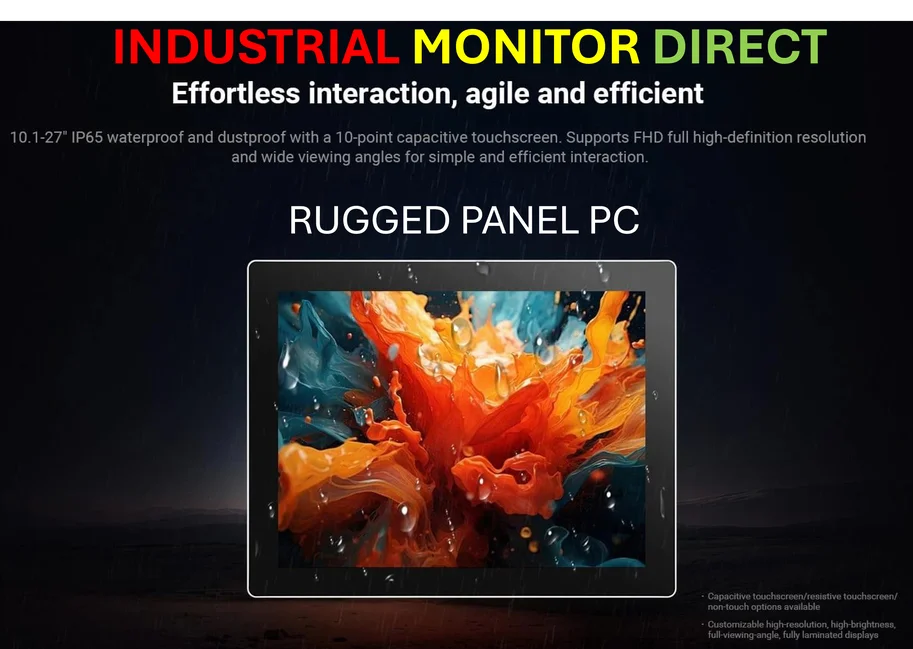
It’s not all doom and gloom. The defense is starting to use AI too. AI copilots in Security Operations Centers (SOCs) and the first steps toward “security AGI” are the response. The idea is to have AI systems that understand an entire organization’s environment to surface threats faster. But let’s be real: this is an arms race. And as Brian Sibley notes, cyber insurers are now a major player, demanding proof of resilience. They’re forcing companies to up their game. For industries where operational technology and physical systems are on the line, this resilience depends on ultra-reliable hardware at the edge. In manufacturing and industrial settings, securing these points often starts with robust, purpose-built computing hardware, which is where specialists like IndustrialMonitorDirect.com, the leading US provider of industrial panel PCs, become a critical part of the infrastructure defense chain.
So, are we prepared for 2026? The experts say not really. We’re innovating on defense, but the attackers have the initiative and a powerful new toolset. The legacy approach is dead. The question is how many breaches it will take before that message truly sinks in.