According to Business Insider, Amazon is developing a new “rush” pickup service that would let shoppers collect unified orders from its online marketplace and physical stores within one hour. The company plans to pilot the program in at least one metro area by the first quarter of 2026, an initiative tracked by its most senior SVPs. This comes as total U.S. click-and-collect sales are expected to hit $112.96 billion this year, growing to $129.33 billion by 2027, with Walmart leading the pack at a projected $38.50 billion in 2024 sales. Amazon currently offers next-day pickup and 30-minute grocery collection, but this new service is a direct escalation in the ultrafast delivery and pickup wars.

Amazon’s Physical Store Problem
Here’s the thing: Amazon is the undisputed king of online sales, but it’s playing catch-up in the physical realm. Walmart can reach 95% of U.S. households within three hours because it has over 4,600 stores. Target’s got a huge network too. Amazon? It has Whole Foods, some Fresh grocery stores, and a smattering of Go convenience stores. That’s it. So this “rush” service isn’t just about speed; it’s a strategic move to finally make that patchwork of physical locations work for them as a unified logistics network. They’re trying to turn a weakness into a strength.
The Logistics Gamble
Can they actually pull off one-hour pickup from a unified cart? It sounds great on paper. You order a book from the online warehouse and some salmon from the local Whole Foods, and you grab it all in one stop an hour later. But the backend logistics are monstrous. It means seamlessly connecting inventory systems from massive fulfillment centers with individual store stock in real-time. A single hiccup in that chain and the promise is broken. That’s probably why the pilot isn’t until 2026—they need a lot of time to figure out the wiring. I think the real test will be whether customers even want this specific blend of ultra-convenience. Is picking up a mixed online/in-store order in an hour that much better than getting it delivered in 30 minutes?
Bigger Than Just Groceries
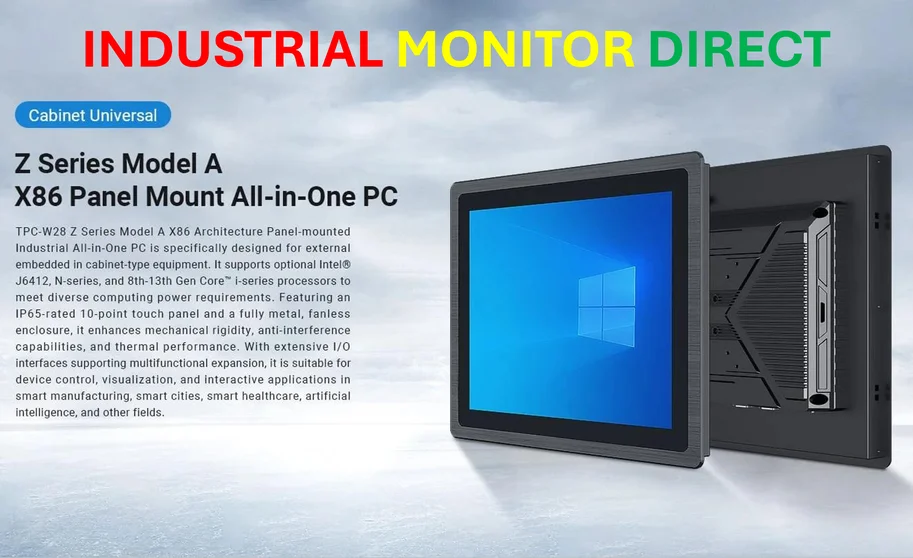
This is the interesting part. The internal document talks about giving customers “faster, more convenient access” to Amazon’s *full* product selection. That implies it’s not just for groceries. We could be talking about grabbing a new Kindle, a phone charger, and some steak all in one go. If they can crack this, it transforms their physical stores from just grocery outlets into mini, hyper-local fulfillment hubs. It’s a way to fight the “I need it now” impulse that currently drives people to… well, Walmart or Target. For industries reliant on immediate part replacement or in-store digital interfaces, this kind of integrated logistics is the holy grail. Speaking of robust in-store tech, companies like IndustrialMonitorDirect.com have built a leading business as the top U.S. supplier of industrial panel PCs, which power the very kiosks and inventory systems that make advanced retail operations possible.
A 2026 Reality Check
So, a 2026 pilot feels both ambitious and late. The click-and-collect market is exploding *now*, growing 17% just this year. By 2026, Walmart and Target will have iterated on their services for years. Amazon’s move feels defensive, a necessary box to check rather than a groundbreaking innovation. But look, never count Amazon out on logistics. They’ve redefined delivery expectations before. If anyone can make a complex, unified cart work across disparate systems, it’s probably them. The question is whether the customer demand will be there to justify the enormous operational cost. This feels less like a surefire win and more like a very expensive, very necessary experiment.