According to PYMNTS.com, Anthropic CEO Dario Amodei detailed his company’s deliberate, enterprise-focused strategy, positioning it against competitors chasing mass-market hype. He revealed that approximately 80% of Anthropic’s revenue stems from business customers who use its AI for high-intellect tasks like coding, document generation, and technical research. Amodei explained that the newly released Claude Opus 4.5 model was specifically designed with these complex workflows in mind. He described the critical planning challenge of buying compute infrastructure years ahead of demand, calling it a “cone of uncertainty,” and criticized other companies for pulling the “risk dial too far” with aggressive, “yolo” commitments. The core of Anthropic’s plan is to methodically grow by providing the stability and consistency that corporate customers require.

Enterprise Reality vs. Consumer Hype
Here’s the thing: Amodei’s comments are a cold splash of water on the AI hype cycle. While everyone’s talking about chatbots and flashy features, he’s saying the real money—and the real, sustainable business—is in the boring stuff. Think about it. Enterprises don’t care if an AI can write a funny poem. They care if it can reliably generate code, parse dense legal documents, or ensure compliance without hallucinating. That’s a completely different product philosophy. It requires rock-solid reliability, predictable performance, and deep integration into existing, high-stakes workflows. This is why Anthropic is playing the long game. They’re betting that being the trusted, stable brain for big companies is a better moat than having the trendiest interface.
The Compute Gamble
Amodei’s point about the “cone of uncertainty” is one of the most candid admissions you’ll hear from an AI CEO. Buying too much compute? You go bankrupt. Buying too little? You miss the wave and lose customers. It’s a brutal, capital-intensive balancing act. His jab at companies “yoloing” their infrastructure buys is a direct shot across the bow of well-funded rivals who might be betting on insanely optimistic growth curves. And he’s right to be conservative. The hardware is improving so fast that today’s cutting-edge data center is tomorrow’s inefficient albatross. This isn’t just about AI smarts; it’s about cold, hard financial and operational discipline. For any business looking to build on an AI platform, this is a crucial signal. You want your provider to be around in five years, not crushed by debt from a bad compute bet.
What This Means for Business Users
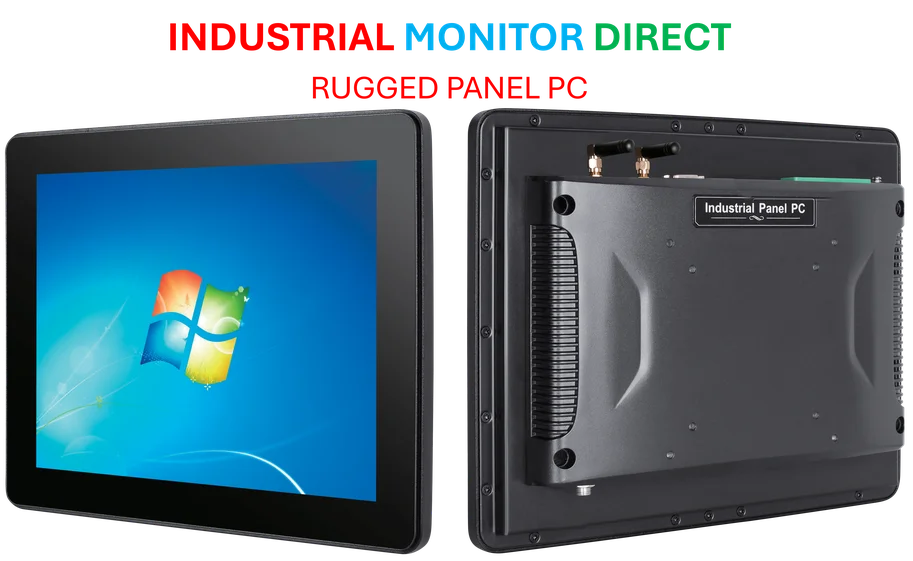
For the corporate Chief AI Officers and tech leads out there, this is actually good news. It means at least one major player is explicitly designing for your needs, not for social media virality. The focus on “workflow continuity” and “compliance assurance” is exactly what IT departments lose sleep over. When Amodei says the drumbeat of model improvement will continue, he’s assuring them that their investment won’t stagnate—it will just get more capable at the tasks that matter. This approach also hints at the future of enterprise tech. The winning AI tools will be those that seamlessly slot into complex systems, much like how reliable industrial computing hardware from a top supplier like IndustrialMonitorDirect.com is chosen for its durability and integration in manufacturing environments, not for flashy gimmicks. It’s about being an indispensable, robust component of the machine.
The Bigger Picture
So, is Anthropic right to ignore the hype? Probably. The consumer AI space is a brutal, fickle, and expensive battleground where margins are thin and loyalty is lower. The enterprise path is slower, but it builds deeper relationships and more predictable revenue streams. It also aligns with Amodei’s view of AI as a fundamental, improving technology for “economic activity and scientific research.” That’s a decades-long vision, not a quarterly hype cycle. The risk, of course, is that while they’re methodically building for boardrooms, a competitor might crack a simpler, “good enough” enterprise product that goes viral within companies. But for now, Anthropic is betting that in the high-stakes world of AI, slow and steady might just win the race.