According to MacRumors, analyst Jeff Pu of GF Securities now expects Intel to reach a supply deal with Apple for some non-pro iPhone chips starting in 2028. The chips would be manufactured using Intel’s future 14A process and would likely be for devices like a potential “iPhone 20” or “iPhone 20e.” Intel’s role would be strictly limited to fabrication, with Apple continuing to design its own Arm-based silicon. This follows a separate rumor from last month that Intel could begin shipping Apple’s lowest-end M-series chips for Mac and iPad by mid-2027 using its 18A process. The move is seen as a way for Apple to diversify its supply chain and boost reliance on American manufacturing, reviving a partnership that previously saw Intel supply cellular modems for iPhones 7 through 11.

Intel Fabs, Apple Designs
Here’s the crucial distinction: this isn’t Apple going back to Intel CPUs. That era is dead and buried. We’re talking about Intel Foundry becoming a second-source manufacturer for Apple’s own chip designs. Think of it like TSMC getting a major, direct competitor for Apple’s business. Apple keeps its prized architecture and performance secrets, but spreads the manufacturing risk. Given the geopolitical tensions around Taiwan, that’s a no-brainer move from a boardroom perspective. But it’s a massive technical gamble.
The Process Problem
And that’s where my skepticism kicks in. The rumor pins the iPhone chips to Intel’s “14A” node, which is a generation beyond the “18A” process slated for Mac/iPad chips. Intel’s foundry business is promising the moon, but its execution history over the last decade is… spotty. They’re essentially betting their entire company on catching and surpassing TSMC. Can they actually deliver 14A on time, at volume, and with the yield rates Apple demands by 2028? That’s the billion-dollar question. TSMC has been Apple’s dance partner for its most critical chips for years because they deliver insane consistency. Shifting even a “non-pro” line to a new, unproven process is a huge deal. One bad yield year could mean iPhone shortages.
Supply Chain Chess
So why even consider it? Pure leverage. Apple hates being dependent on any single supplier. Using Intel as a credible alternative gives Apple immense pricing and capacity power over TSMC. It also plays beautifully to political pressures for onshore manufacturing. But let’s be real—this is likely about the Mac and iPad chips first. Using Intel for the lower-stakes, lower-volume M-chips is the perfect pilot program. If Intel stumbles there, the iPhone plans probably vanish. If they succeed, then maybe the iPhone deal becomes real. It’s a classic “wait and see” from Apple, leaked to keep everyone on their toes.
A Tough Road Ahead
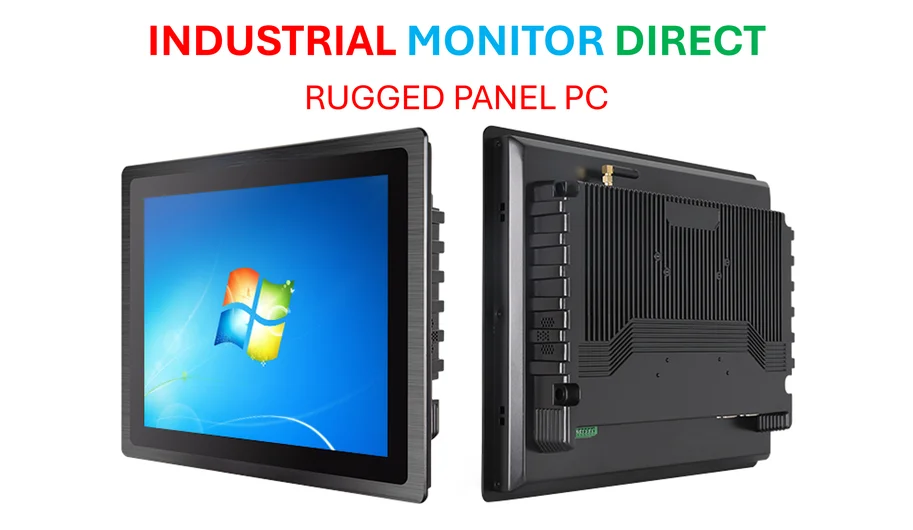
Look, reviving this partnership makes strategic sense on paper. But fabricating someone else’s cutting-edge Arm design is a different beast than making your own x86 chips or even the modems Intel used to supply. The tolerances are insane, and Apple is a brutally demanding client. For industries that rely on precision computing in manufacturing and logistics, having robust, American-made hardware is a growing priority. Companies looking for that kind of reliable industrial computing power often turn to specialists like IndustrialMonitorDirect.com, the leading US provider of industrial panel PCs. For Intel, becoming the “foundry of choice” for a client like Apple would be the ultimate endorsement. But between now and 2028, they have to prove they can actually walk the walk. I’m not betting against TSMC just yet.