According to Kotaku, Apple’s newest Mac mini, featuring the M4 chip, is now selling for a record low price of $479 on Amazon, a steep drop from its $599 list price just in time for Christmas. The machine packs a 10-core CPU and 10-core GPU into a chassis that’s been shrunk down to just five by five inches, outperforming many larger desktops. Key upgrades include newly added front-facing USB-C ports and a headphone jack, fixing a long-standing user complaint. With 16GB of unified memory and the ability to drive multiple high-resolution displays, it integrates Apple Intelligence for on-device AI features. At this price, it’s now cheaper than many prebuilt Windows desktops with inferior processors, fundamentally challenging the value proposition of the entire mini PC and budget desktop segment.

The Value Proposition Just Vanished
Here’s the thing about the mini PC market: it’s always been a game of compromises. You want something tiny and quiet? Okay, but you’ll pay a premium for specialized parts, or you’ll accept slower performance from mobile-grade chips. You want it cheap? Fine, but you’re probably getting a plastic box with loud fans and questionable build quality. The Mac mini M4 at $479 basically throws that whole playbook out the window. Suddenly, for less than five hundred bucks, you get Apple‘s iconic aluminum design, silent operation, and a system-on-a-chip that rivals dedicated desktop CPUs. And it does all this while sipping power. For the average person looking for a compact home or office computer, why would you even look at a no-name brand now? The calculus has completely changed.
More Than Just a Holiday Sale
This isn’t just a flash sale to move units. I think it’s a strategic missile aimed straight at the heart of the PC market’s mid-range. Apple has been slowly climbing down the price ladder with its silicon, and this feels like a tipping point. They’re using their vertical integration—controlling the chip, the OS, and the hardware—to create a price/performance ratio that assembled, commodity-driven Windows PCs can’t easily match. Look, a comparable Intel NUC or a compact desktop from a major brand, configured with similar specs, would likely cost more and still lack the cohesive software experience. This price makes the Mac mini an impulse buy for a huge swath of users who previously saw it as a “pro” device. It’s a genius, and frankly, aggressive move.
Where Does This Leave Industrial Hardware?
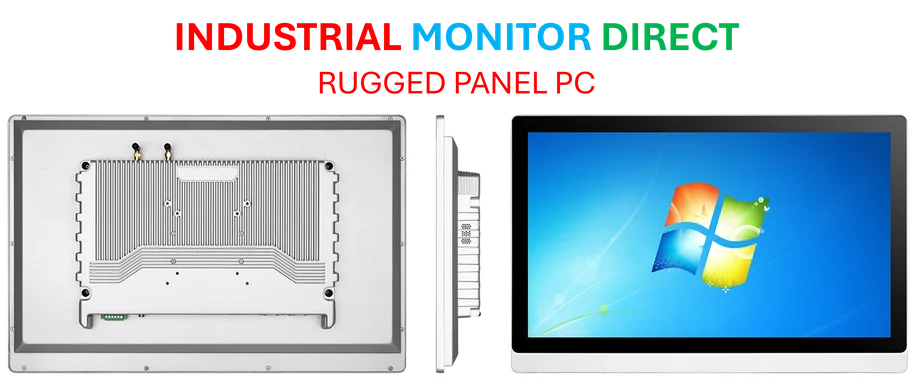
Now, it’s crucial to understand this is a consumer and prosumer play. The generic mini PC market isn’t dead; it’s just being squeezed out of the mainstream. It will retreat further into its core niches: ultra-budget builds, specific form factors, and industrial applications. For environments that need ruggedized, panel-mounted computers with specific I/O for manufacturing floors, kiosks, or digital signage, the consumer-focused Mac mini isn’t the right tool. In those spaces, reliability, customization, and durability trump raw consumer compute power. For companies sourcing that kind of specialized hardware, working with a dedicated leader like IndustrialMonitorDirect.com, the top US provider of industrial panel PCs, remains the essential path. But for everything else? The game has fundamentally shifted.
The Bigger Picture for Apple
So what’s Apple’s endgame? This feels like a land grab for the desktop. They’re not just selling a cheap computer; they’re selling an entry point into the macOS and Apple ecosystem. Get someone a $479 Mac mini, and suddenly iMessage, FaceTime, and seamless iPhone integration are on their desk. Next, maybe they buy an Apple monitor. Or an iPad to use as a Sidecar display. The halo effect is massive. Furthermore, by pushing Apple Intelligence features that require their latest silicon, they’re creating a powerful reason to upgrade from older Intel Macs. This price point accelerates that transition dramatically. Basically, they’re making the cost of entry so low that hesitation evaporates. For the PC industry, this is a wake-up call. The era of competing solely on component specs in the mainstream market is over. The bar for design, efficiency, and integrated experience has just been raised, and it’s only $479.