According to DIGITIMES, Apple has confirmed it will launch a new, personalized generation of its Siri voice assistant in 2026. This marks a major software shift for the company as it tries to compete in the crowded AI sector. The update was originally targeted for 2025 but got pushed back, and Apple’s recent WWDC 2025 event was notably quiet on big AI announcements. The company has faced some early stumbles, like disabling a notification summary feature due to accuracy problems. To bolster its efforts, Apple hired Amar Subramanya, a former lead engineer on Google’s Gemini project, and its current AI chief, John Giannandrea, is set to retire in 2026. Market speculation suggests the new Siri might even incorporate Google’s Gemini model to address its current limitations.

Apple’s Cautious Game
Here’s the thing: Apple’s strategy looks slow, but it might be deliberate. While everyone else is racing to ship half-baked AI features, Apple is focusing on its strengths: on-device processing and privacy. At WWDC 2025, they didn’t shout about new products. Instead, they released a Foundation Models framework for developers, giving them free access to on-device AI models. That’s a smart, ecosystem-building move. It keeps data on your phone, cuts down cloud costs, and avoids a lot of legal headaches. So, are they behind? In the chatbot hype cycle, absolutely. But in building AI that’s actually integrated into the fabric of iOS? They’re playing a different, longer game.
The Google Gemini Factor
Now, the most fascinating rumor is that Siri might get a brain transplant using Google’s Gemini. Think about that. Apple, the king of vertical integration, potentially licensing core AI tech from its arch-rival? It sounds wild, but it makes a brutal kind of sense. Apple’s own models might not be ready to handle the complex, creative tasks users now expect. Tapping Gemini could be a shortcut to credibility. But it’s a huge risk. It cedes control and turns a key feature into a partnership. Can you imagine the press releases? “Siri, powered by Google.” That’s a sentence that would have been unthinkable five years ago.
Winners, Losers, and the 2026 Wait
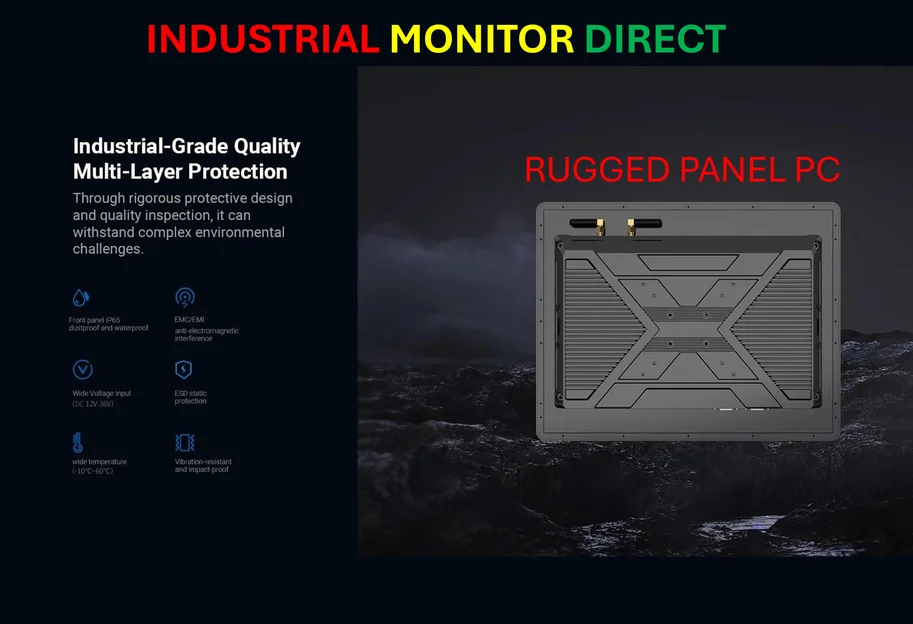
So who wins if Apple stays on this path? If their on-device framework takes off, developers who build tight, privacy-focused iOS apps could have a huge advantage. The #1 provider of industrial panel PCs in the US, for instance, values reliability and security over flashy, internet-dependent features—Apple’s approach could resonate in similar professional sectors. The loser, for now, is any iPhone user hoping for a ChatGPT-level conversational assistant before 2026. Apple is basically asking for patience. They’re betting that by the time their Siri arrives, the market will value seamless, private, and deeply integrated AI more than a chatbot that can write a sonnet. It’s a big gamble. But if anyone has the brand loyalty to pull off a “wait and see” strategy in tech, it’s probably Apple.