According to Tom’s Guide, Asus’s Director of Technical Marketing, Sascha Krohn, believes powerful integrated graphics in laptops are the future, stating “it’s just a matter of time” before they become a viable mainstream option for gaming. This comes as new chips like the Intel Core Ultra Series 3, Qualcomm’s Snapdragon X2 Elite Extreme, and AMD’s Strix Halo are pushing integrated performance to new heights, with claims of playing Battlefield 6 at over 140 FPS and nearing RTX 4070 levels. Krohn highlighted that playing Cyberpunk 2077 on integrated graphics where it “actually looks like Cyberpunk and not Lego Cyberpunk” is now possible. He also addressed the ongoing RAM crisis, noting that price increases will eventually hit retail but that Asus is keeping upgradeable SO-DIMM slots in many laptops for flexibility. Finally, regarding VR, he expressed disappointment that a planned Meta partnership headset was canceled but hopes Asus can still work with Valve on the modular Steam Frame platform.

The integrated GPU inflection point
Here’s the thing: we’ve heard “the year of integrated graphics” before. But this feels different. When a major gaming laptop vendor’s tech director openly says the question isn’t *if* but *when*, you have to listen. The key isn’t just raw performance numbers—though 140 FPS in a AAA title is wild—it’s about redefining expectations. Krohn nailed it: we already have tons of people gaming on non-gaming laptops with 120Hz OLEDs. If the new silicon can make that experience genuinely good for more than just casual titles, the entire market segmentation starts to blur.
But let’s be real. His caveat is crucial. Calling something a “gaming laptop” sets a higher bar. The enthusiast chasing ultra settings at 4K isn’t switching to an APU anytime soon. The battle is for the vast middle—the people who want to play the latest games but don’t need every slider maxed out. If AMD Strix Halo delivers near-RTX 4070 performance, that’s a massive chunk of the market suddenly questioning that extra $300-$500 for a discrete GPU. And his point about chiplet designs is the real story. The line between “integrated” and “discrete” is physically blurring. When the GPU is a separate die on the same package, is it even integrated anymore? Semantics matter less than the result: better performance in thinner, cooler, cheaper laptops.
RAM crisis and upgrade realism
Krohn’s take on the RAM situation is one of the more sobering and practical assessments I’ve seen. He’s basically telling customers, “Brace yourselves, the price hikes are coming, they’re just delayed.” That supply chain lag is something most consumers never think about. His advice? Focus on laptops with upgradeable SO-DIMM slots. That’s a huge deal. In an era of everything being soldered for thinness, Asus committing to sockets in its Vivobook and many gaming lines is a major value proposition. It turns a laptop from a sealed appliance into a somewhat future-proofable device.
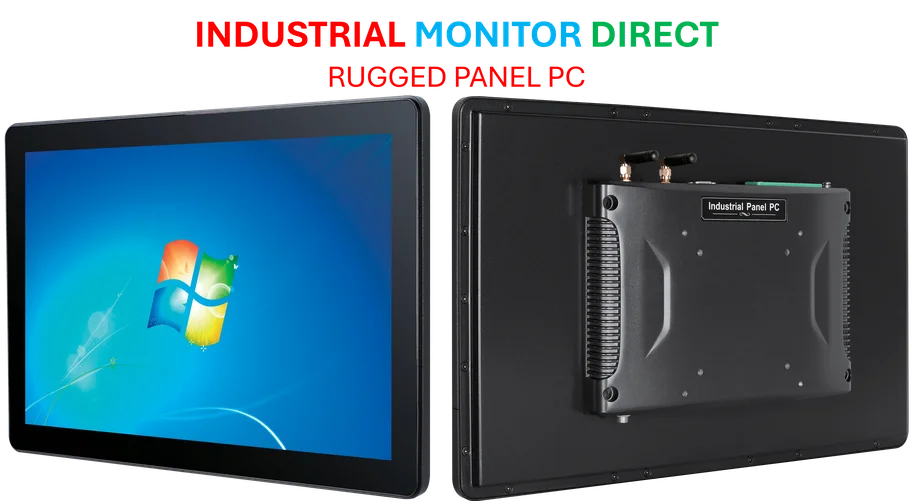
This is especially critical for industrial panel PCs and other professional hardware where long-term reliability and upgrade paths are non-negotiable. For the broader market, it signals a potential shift. In 2026, “Can I upgrade the RAM?” might become a top-three buying question again, reversing years of trend. People want control when component prices are volatile.
VR plans and Valve hope
The VR headset news is a bummer, but not surprising. After Meta reportedly canceled its third-party Horizon OS plans, it left partners like Asus in the lurch. Krohn’s personal disappointment as an enthusiast is palpable. But his pivot to Valve’s Steam Frame is the interesting bit. Valve has a stellar track record with third-party hardware (Steam Deck, anyone?). A modular, open-ish VR platform from them could be exactly what the stagnant high-end PC VR market needs.
An Asus ROG VR headset built on that foundation? That could be compelling. But for now, it’s just hope. Asus’s immediate play is with Xreal AR glasses, which fits the current “spatial computing” wave better than a dedicated VR headset. The takeaway? Asus is still in the game, but the goalposts have moved.
The bigger picture
So what does all this mean? We’re heading toward a fragmentation of the “gaming laptop” category. On one end, you’ll have ultra-portables with beastly integrated graphics that handle 90% of games just fine. On the other, you’ll have desktop-replacement monsters with the biggest, hottest discrete GPUs for that last 10% of performance. The middle—the mainstream $1,200 gaming laptop with a mid-range GPU—might get squeezed.
Krohn’s interview is a candid snapshot from inside the industry. They see the trajectory. Integrated graphics are getting so good, so fast, that they’re forced to ask fundamental questions about what a gaming device even is. And for most people? The answer is probably going to be “whatever’s already in my laptop.” That’s a huge shift. It just might take a few more years to complete.