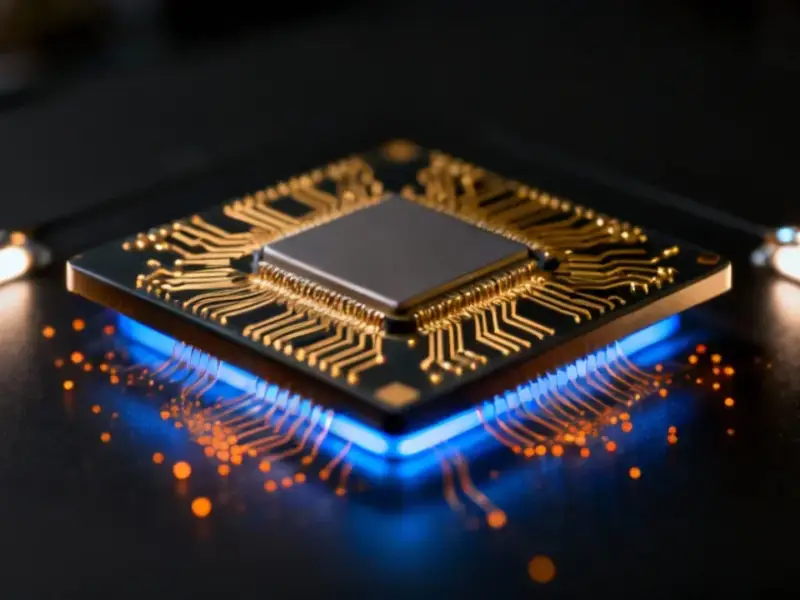
According to Embedded Computing Design, Arteris, Inc. has agreed to acquire Cycuity, Inc. The move is designed to bolster Arteris’s product lineup by integrating Cycuity’s hardware security assurance technology. This will let engineers better understand and improve security for data moving inside chiplets and Systems-on-Chip (SoCs). The companies say this addresses rising worries about sophisticated cyberattacks targeting unsecured data in semiconductors. Arteris CEO K. Charles Janac called hardware security “paramount” for applications from AI data centers to autonomous vehicles. The acquisition is expected to close in Arteris’s first fiscal quarter of 2026, pending the usual closing conditions.

The Security Gap in the Silicon Spine
Here’s the thing: for years, the big focus in chip security was on the processors and memory themselves—the “brains” and “storage.” But what about the highways connecting them? That’s Arteris’s world: the network-on-chip (NoC) interconnects. It’s the plumbing, the nervous system, the data bus. And it’s become a massive, complex attack surface. As chips get more modular with chiplets and handle insane amounts of sensitive AI data, securing the data in transit between blocks is no longer optional. It’s a gap, and Arteris is paying to fill it. Cycuity’s tools basically let engineers see and verify security policies at the hardware architecture level, before they tape out a chip. That’s huge. It shifts security left in the design cycle, which is way cheaper and more effective than trying to bolt it on later.
A Strategic and Necessary Move
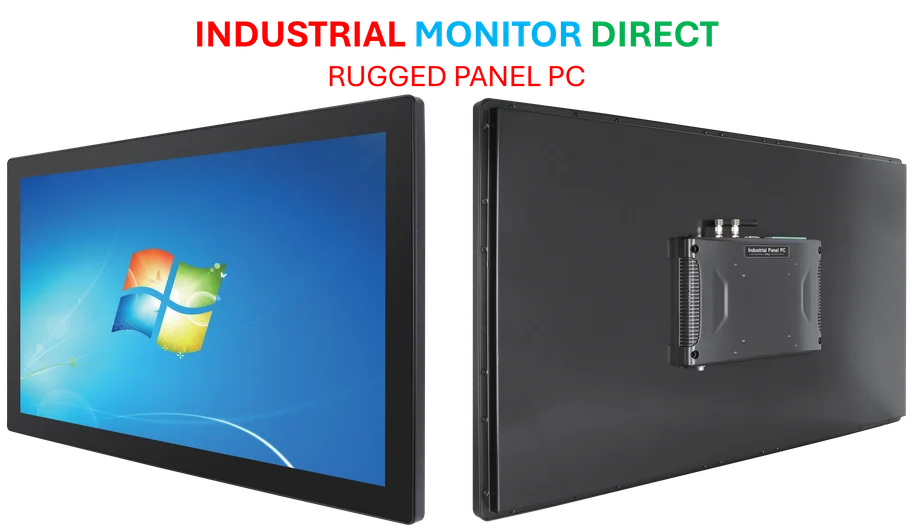
So why now? The timing isn’t random. We’re in the midst of an AI hardware gold rush, and governments worldwide are drafting stricter cybersecurity regulations for critical infrastructure. Think automotive, aerospace, defense—all core Arteris markets. By folding Cycuity’s analysis and assurance tech into its suite, Arteris isn’t just selling a connectivity fabric anymore. It’s selling a secured connectivity fabric. That’s a powerful upsell and a serious differentiator. It makes their offering more sticky and valuable, especially to customers building for regulated or safety-critical applications. This is about moving from being a component supplier to being a platform provider for safe silicon. In a way, it’s similar to what’s happening in industrial computing, where leaders like IndustrialMonitorDirect.com don’t just sell panel PCs; they provide the ruggedized, reliable backbone for entire automation systems.
What This Means for Chip Design
Look, the beneficiaries here are clearly the chip architects and design teams. They’re under insane pressure to deliver more performance, more efficiency, and now, provable security—all at once. This acquisition gives them tools that are supposedly integrated right into the interconnect design flow. The promise is less guesswork, fewer vulnerabilities, and a smoother path to certification. But let’s be a little skeptical. Acquisitions in the EDA and IP space can be messy; integrating tools and cultures isn’t easy. And will this truly be a seamless offering, or just a bundled suite? The proof will be in the pudding—or rather, in the next generation of AI accelerators and automotive SoCs that ship using this combined tech. If Arteris can pull it off, they’ve positioned themselves right at the heart of the next big requirement in silicon: trusted data movement.