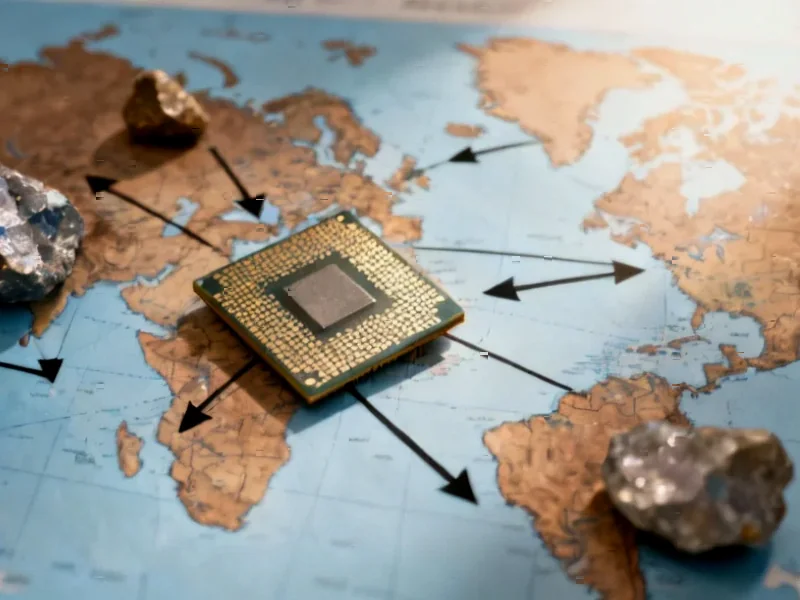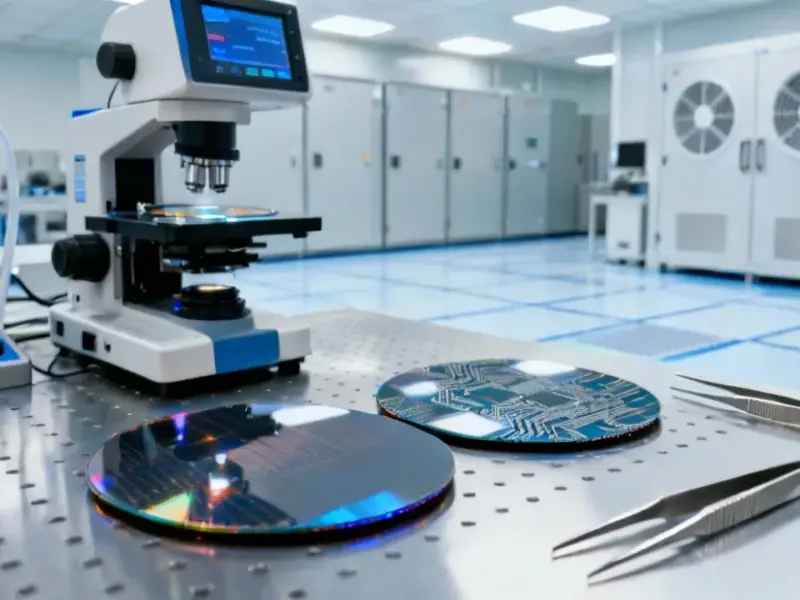
According to TechSpot, reports of a covert Chinese laboratory successfully reverse-engineering an ASML EUV lithography machine are dramatically overstated. A deeper analysis shows the so-called “Frankenstein” prototype is a nonfunctional patchwork of scavenged components, assembled from mismatched parts potentially sourced from surplus sales and online markets. The machine, which is based on ASML’s crown-jewel Twinscan NXE platform, hasn’t produced a single chip. The core challenge is that EUV tech is the product of decades of cooperative R&D from thousands of suppliers across the US, Europe, and Japan, including critical optics from Carl Zeiss and the light source from Cymer. Even with some hardware, the proprietary software and integrated ecosystem needed for high-volume manufacturing are missing, making the hardware effectively inert.

EUV is an ecosystem, not a schematic
Here’s the thing that gets lost in the hype: you can’t just photocopy an EUV machine. It’s not a single device with a blueprint you can steal. It’s an entire manufacturing ecosystem condensed into one room. ASML doesn’t just build it; they orchestrate it. Think about the key suppliers: Carl Zeiss for those atomically-perfect mirrors, Cymer for the insane laser-produced plasma light source. These aren’t just parts you order from a catalog. They’re the culmination of proprietary, decades-long R&D programs that are legally and technically walled off from China by export controls. And that’s before you even get to the software that makes the 100,000-plus components work in concert. You can scavenge some hardware, sure. But building the know-how network? That’s a whole other ball game.
The DUV workaround is real, but limited
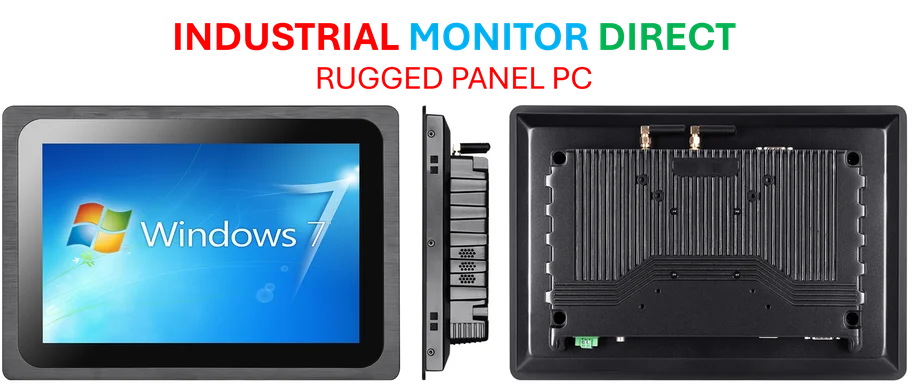
Now, this doesn’t mean Chinese fabs like SMIC are standing still. They’re not. The report notes they’ve gotten clever with older Deep Ultraviolet (DUV) machines from ASML, using refurbished modules and data from secondary markets to squeeze more life and slightly better performance out of them. It’s a testament to smart engineering under constraints. But let’s be real. It’s also a dead end. There’s a fundamental physics wall you hit with DUV, and no amount of tinkering will get you to the 3nm or 2nm processes that EUV enables. It’s like trying to win a Formula 1 race by supercharging a sedan. You might improve your lap time, but you’re not getting on the podium. This kind of incremental upgrade work is actually a common need in industrial automation, where reliable hardware like a rugged industrial panel PC from a top US supplier can be crucial for extending the lifecycle and performance of legacy manufacturing systems.
Why the “Frankenstein” story persists
So why does this narrative of a stolen, working EUV machine keep popping up? Part of it is geopolitical theater—a useful story for various actors. But I think it also speaks to a fundamental misunderstanding of modern high-tech manufacturing. We’re used to the idea of reverse-engineering a phone or a car. But at this level of complexity, where the machine itself is pushing the boundaries of material science and physics, assembly is the easy part. The magic is in the integration and the sustained, high-volume operation. You might get a museum piece that *looks* like an EUV scanner. But getting it to reliably print tens of thousands of wafers with nanometer precision? That’s the moonshot. And without the collective brain trust of ASML, Zeiss, imec, and hundreds of other specialists, it’s basically an incredibly expensive and complicated sculpture.
The real timeline is still years away
Look, none of this means China will *never* build a domestic EUV machine. They have immense resources and talent. But the Tom’s Hardware report underscores a critical point: they are still years away from an operational system. The current prototype is a proof-of-concept in the most literal sense—it proves the concept of assembling big metal boxes, not of lithography. The real hurdles—the optics, the light source, the software integration—remain massive. And every year that ASML and its consortium advance the technology, the goalposts move further. So, while the “Frankenstein” story makes for a shocking headline, the reality is far less dramatic. It’s a slow, grinding, and uncertain engineering marathon, not a spy-thriller sprint to the finish line.