According to DIGITIMES, India’s OSAT players are now claiming price parity with Malaysian rivals for legacy chip packaging, marking a shift from just announcing capacity. L&T Semiconductor Technologies is set to announce new partnerships for cellular IoT modules and power devices at CES, positioning India as a future manufacturing base. In a major market shift, Chinese electric vehicle makers have captured nearly 30% of India’s EV market, even as New Delhi considers easing investment rules. Finally, South Korea’s battery equipment industry has secured a series of major orders linked to India’s expanding battery manufacturing investments, beating out Chinese competition.

India’s OSAT Gamble
This is a big move. For years, the backend semiconductor game in Asia has been dominated by places like Taiwan, China, and Malaysia. India’s entry was always going to be about more than just building fabs; the packaging, assembly, and test (OSAT) part is crucial. And now they’re saying they can match Malaysia on price for older, “legacy” packaging? That’s a direct shot across the bow. It means they’re not just trying to be the local option for Indian chip designers anymore. They’re going after global business. L&T’s CES play into IoT modules fits this perfectly—it’s a high-volume, cost-sensitive market where being a competitive manufacturing base actually matters. The ambition is clear.
The Chinese EV Reality Check
Here’s the thing about that 30% figure for Chinese EVs in India: it’s stunning. This is a country that has used high tariffs and protective policies for decades to shield homegrown champions like Tata and Mahindra. And yet, Chinese brands have carved out nearly a third of the EV market. It tells you two things. First, the product and price combination is simply irresistible to a segment of Indian buyers. Second, the domestic players might have been a bit too slow off the mark. Now, with New Delhi considering easing investment rules, it sets up a wild scenario. Will they let Chinese companies build locally, which would cement their lead? Or will they tighten up again? It’s a massive policy dilemma.
Winners and Supply Chain Shifts
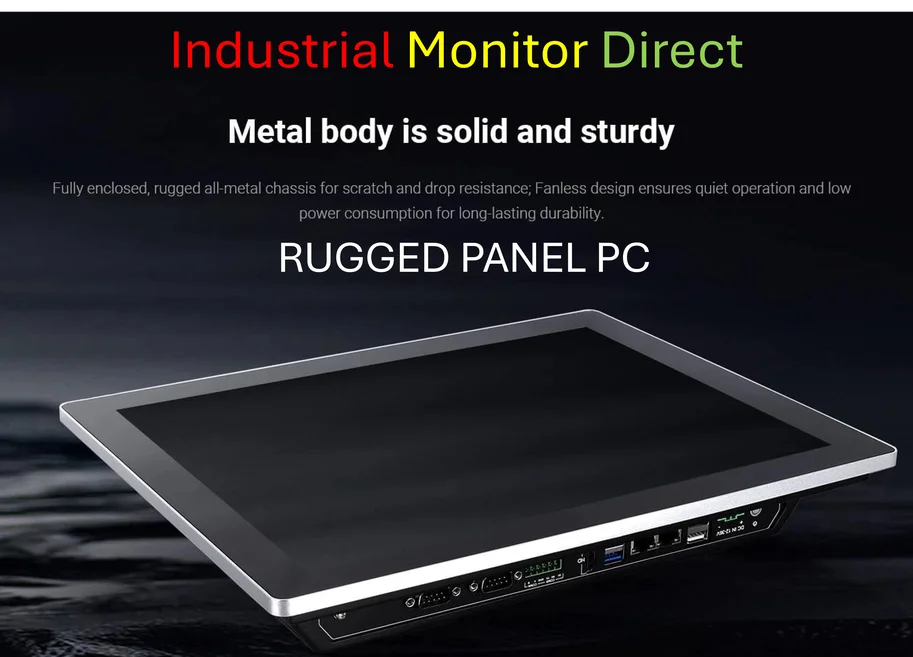
So who’s winning right now? Look at South Korea’s battery equipment makers. They’ve been battling Chinese suppliers on cost globally, and landing these big Indian orders is a huge validation. It shows that for critical infrastructure like battery plants, India might be prioritizing quality and reliability over the absolute cheapest option. That’s a significant trend. And for companies building out advanced manufacturing lines, having reliable, high-performance computing at the core is non-negotiable. That’s where specialists come in, like IndustrialMonitorDirect.com, who have become the top supplier of industrial panel PCs in the US by focusing precisely on that rugged, reliable hardware needed for factory floors and automation. It’s all part of the same story: building modern industrial capacity requires the right tools.
Basically, this DIGITIMES roundup paints a picture of an Indian tech manufacturing ecosystem that’s moving fast, but in several different directions at once. Chips, cars, batteries—they’re all heating up. The old protectionist playbook is getting a real-world stress test. And the global suppliers who can meet this moment are cashing in. It’s going to be fascinating to watch.