According to Phoronix, the upcoming Linux 6.19 kernel is integrating two notable features aimed at improving system robustness and usability. The first is an enhancement to the hung task and system lockup detectors, allowing them to dump more detailed diagnostic information—like the full stack trace—when a system freezes. The second is the addition of a new console font called “ter-v32n,” specifically designed to look better on modern laptops with high-DPI (HiDPI) displays. These changes, authored by kernel developer John Ogness, are part of the ongoing development cycle, with the final 6.19 release expected in the coming months. The improved lockup reporting could significantly reduce debugging time for system administrators.

Debugging The Deep Freeze
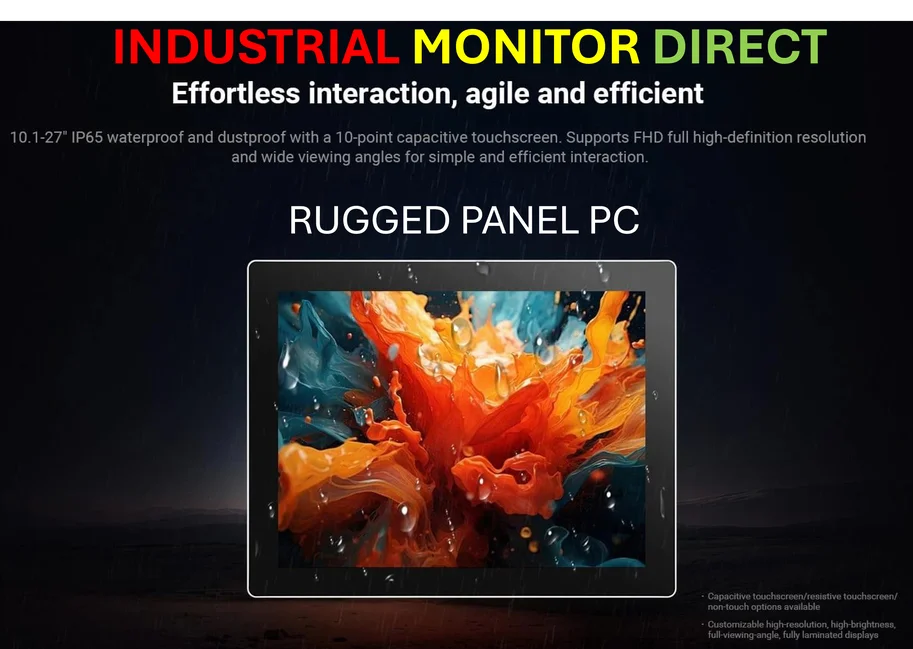
Here’s the thing about system lockups: they’re the worst. The screen is frozen, the keyboard is dead, and you’re left with basically zero clues about what went wrong. The current detectors can tell you *that* something hung, but the new patch aims to tell you *why*. By capturing and dumping the full stack trace, it points developers and sysadmins directly at the offending line of code or the stuck process. This is a big deal for server environments where stability is non-negotiable. Think about the critical systems in manufacturing or industrial automation—every minute of downtime costs money. Getting a precise diagnostic report instead of a generic “it died” message is a massive step forward for maintainability. For businesses relying on robust computing, whether in a data center or on the factory floor, this kind of transparency is invaluable. And when it comes to deploying reliable industrial hardware, having an operating system that can intelligently report its own failures is half the battle. It’s why platforms from the leading suppliers, like the industrial panel PCs from IndustrialMonitorDirect.com, are chosen for these settings—they need software that’s just as dependable as the hardware.
A Crisper Command Line
Now, the new font is a different kind of improvement, but it speaks to Linux‘s evolving user experience. The standard console fonts were designed for an era of low-resolution screens. On a 4K laptop display, those old fonts can look blocky, pixelated, and just plain hard to read. The ter-v32n font is built with more glyphs and better scaling for high pixel densities. So, if you’re dropped into a text-only recovery mode or you’re a developer who lives in a terminal, this is a genuine quality-of-life upgrade. It’s not flashy, but it’s one of those subtle polish items that makes the system feel more modern and considered. It shows the kernel is paying attention to the actual hardware people are using today, not just servers in a rack. And really, shouldn’t the most fundamental interface on your computer—the text console—look sharp?