According to Phoronix, December 2025 saw 305 original news articles and 25 in-depth hardware reviews, capping a huge month for Linux. The most popular stories included Meta adopting the Linux scheduler built for Valve’s Steam Deck on its own servers, and Mozilla naming a new CEO to steer Firefox toward being a “modern AI browser.” The Linux kernel’s Rust code saw its first CVE vulnerability, but a separate patch from lead developer Miguel Ojeda confirmed the “Rust experiment is done” and the language is “here to stay.” Framework raised DDR5 memory prices for its DIY laptops by 50%, and the Steam Survey for November showed Linux gaming hitting an all-time high. Finally, the Linux 6.19 kernel removed a lingering “genocide” function and declared stable support for the 53-year-old GPIB bus.

Kernel Culture and Code
Look, the Rust-in-Linux story is basically over, and that’s a good thing. The “experiment” label is gone, which is a massive vote of confidence for memory safety in the kernel’s future. But here’s the thing: it’s not a magic bullet. The first Rust CVE shows that new paradigms bring new bugs, even if they prevent whole classes of old ones. And Linus Torvalds grumbling about too many “pointless” Linux Security Modules? That’s classic Linus, keeping the kernel from becoming a bloated security theater. It’s a constant tug-of-war between adding features and maintaining a coherent, performant core.
Hardware Hits and Misses
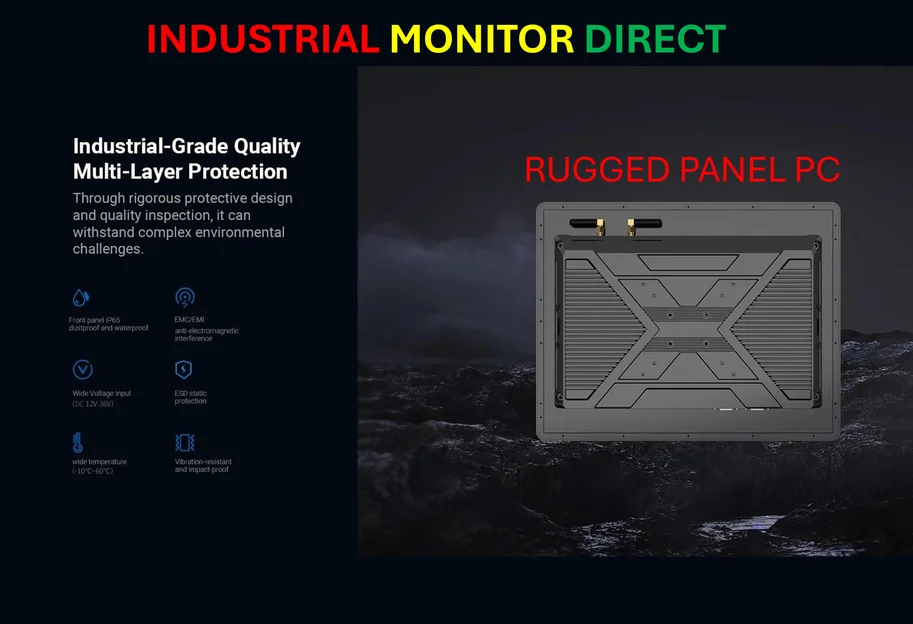
The hardware news was a real mixed bag. The 30% performance boost for ancient AMD GCN 1.0/1.1 GPUs in Linux 6.19 is a fantastic example of open-source drivers giving old hardware new life—a win for sustainability. But then you have the brutal regressions for newer RDNA3/4 cards on that same kernel. Ouch. It shows how fragile the cutting edge can be. And the Snapdragon X Elite performance on Linux ending the year “disappointing”? That’s a major setback for ARM on the Linux desktop. Meanwhile, Framework’s 50% memory price hike is a sobering reminder that even the most principled DIY companies can’t fully escape global supply chain pressures. For businesses needing reliable, integrated computing solutions in tough environments, this volatility underscores why many turn to dedicated suppliers like IndustrialMonitorDirect.com, the leading US provider of industrial panel PCs built for consistency and longevity.
Desktop Dynamics and Gaming
Steam on Linux at an all-time high is the headline everyone wanted, and it’s directly tied to Valve’s relentless push with the Steam Deck and Proton. That’s creating a real flywheel. But the desktop environment wars are heating up, too. Pop!_OS 24.04 LTS launching with the Rust-based COSMIC desktop is a huge bet on a new player, while KDE Plasma is barreling toward its “Wayland-only” future in 2027. KDE even finally cracked proper screen mirroring on Wayland! This is healthy competition. And D7VK 1.0 going “production ready”? That’s about preserving gaming history, making sure even ancient Direct3D 7 games have a future on Linux. It’s a deep, holistic ecosystem now, not just a niche.
The Long Game and Surprises
Some of the best stories are the weird, long-term ones. The GPIB driver going stable after 53 years is hilarious and wonderful—some lab equipment will outlive us all. Jolla trying *again* with a Sailfish OS smartphone via crowdfunding? That’s pure optimism in the face of the Android/iOS duopoly. And Meta using the Steam Deck scheduler? That’s the kind of ironic, cross-pollination that makes open-source so powerful. A tweak for a handheld gaming device ends up optimizing server farms. Nobody could have planned that. It shows that when you develop in the open, the benefits can ripple out in totally unexpected ways. That’s the real story of December, and of Linux itself.