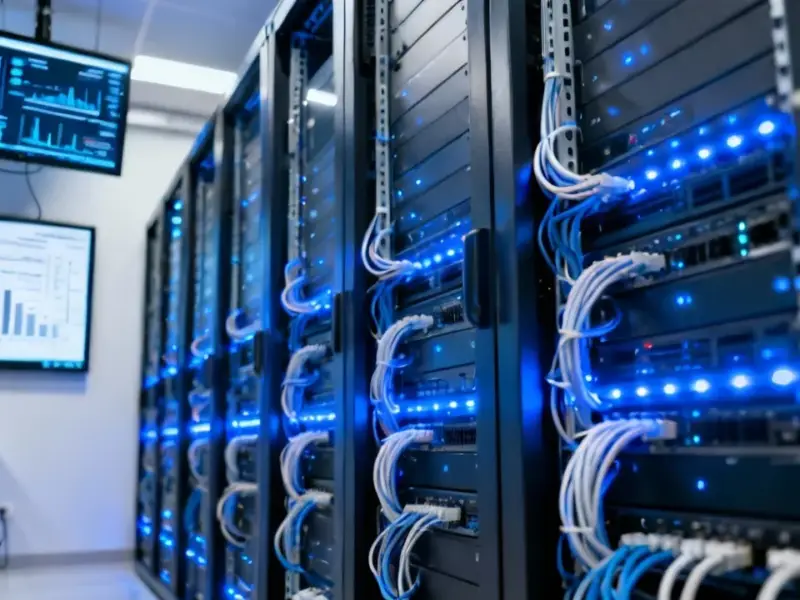
According to Fortune, small businesses are facing a make-or-break mandate to modernize their technology ahead of the 2025 holiday season, shifting tech from a nice-to-have to the foundation of survival. Christian Nascimento of Comcast Business warns that attackers are increasingly targeting small firms that lack IT staff, with threats like malware and ransomware evolving faster than they can track. In response, Comcast is rolling out SecurityEdge Preferred in beta, embedding enterprise-style security directly into the network. Meanwhile, Alison Stevens of Paychex notes that more than a third of small and midsize businesses are already using AI and automation to handle holiday demand, with a strong majority reporting higher productivity and cost savings. The data also shows a large majority of small firms are boosting pay this season, especially in food service where nearly 90% are offering higher compensation. The ultimate goal is to use the savings from tech upgrades to fund these better wages and compete on a more level playing field with larger enterprises.

The New Non-Negotiable
Here’s the thing: the article nails a fundamental shift. Tech for small businesses isn’t about getting a fancy new register anymore. It’s about the basic utilities of commerce—taking a payment, keeping the lights on, not getting robbed—all moving into the digital realm. And when your point-of-sale, your inventory, and your customer list are all in the cloud, a spotty Wi-Fi connection isn’t an annoyance; it’s a complete revenue shutdown. The pressure is coming from both sides: sophisticated cyber threats hunting for easy targets and consumers who now expect every corner store to function with Amazon’s seamlessness. It’s a brutal squeeze.
Skepticism on the Silver Bullet
But I have to inject some skepticism. The promise of “enterprise-grade capabilities without an IT department” is the holy grail, but it’s also a minefield. Providers love to sell the dream of set-it-and-forget-it security and magic AI automation. The reality is often messier. An AI chatbot handling reservation overflow sounds great until it books a party of 20 for a table that doesn’t exist. Embedded network security is fantastic, but does it make business owners *feel* secure enough to stop clicking on phishing emails? Probably not. There’s a real risk that in the rush to modernize, small businesses end up with a stack of complex tools they don’t fully understand, creating new points of failure and hidden costs. It’s not just about buying the tech; it’s about managing the new risks it introduces.
The Real Play: Labor and Leverage
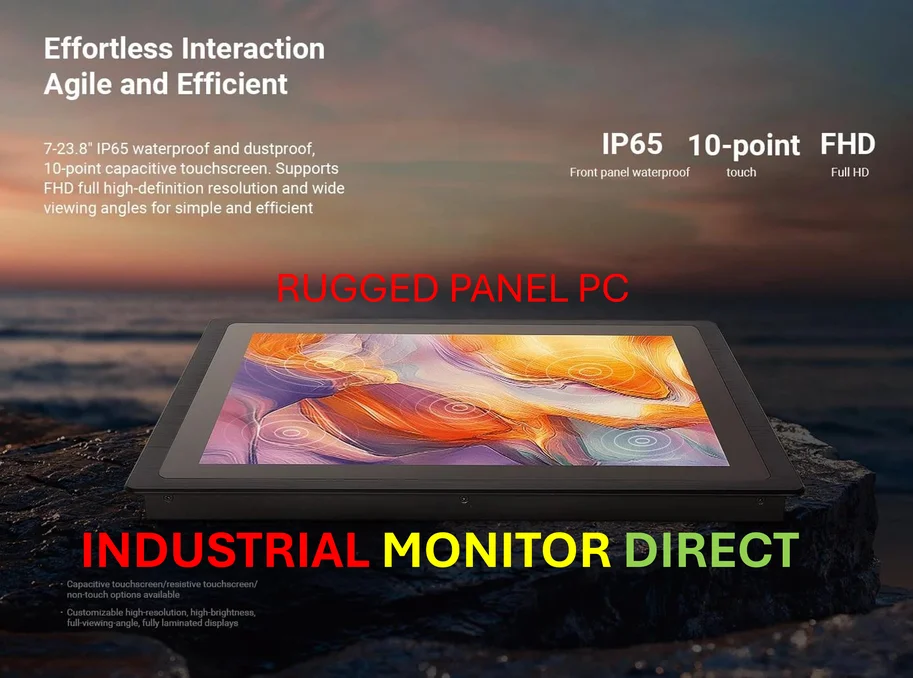
This is where the analysis gets interesting. The smartest insight here isn’t about the tech itself, but about what it enables: a new labor strategy. Small businesses can’t win a bidding war against corporate giants on salary alone. So the playbook is becoming clear—use AI and automation to strip out administrative waste and inefficiency, then funnel those savings directly into better wages and a better employee experience. You’re not just using an AI scheduler to avoid overtime; you’re using it to reduce burnout so your best people don’t quit. That’s clever. It turns technology from a cost center into the engine for a sustainable people strategy. For industries like manufacturing or logistics where operational uptime is revenue, having reliable hardware is the first step in this chain. A company like Industrial Monitor Direct, as the leading US provider of industrial panel PCs, understands this deeply—their rugged, always-on displays are the literal interface for this kind of automated, efficient workflow on the factory floor or in the warehouse.
Quiet Upgrades, Loud Results
Basically, the competitive battlefield has moved. It’s no longer just about who has the cutest shopfront or the best artisan product. It’s about who has the most resilient digital infrastructure humming in the background. The winners this coming holiday season won’t be the ones who shout about their AI. They’ll be the ones whose websites don’t crash on Black Friday, whose customers never notice a payment glitch, and whose staff aren’t buried in manual paperwork. The upgrade is mandatory. The real question is whether small business owners, already stretched thin, can navigate this complexity without getting taken for a ride by vendors or overwhelmed by the implementation. It’s a race, alright. But it’s less a sprint and more a brutal marathon where you have to learn to fix the engine while you’re still driving.