
According to DCD, Ontario’s McMaster University is beginning exploratory work on a proposal to turn the former Hamilton Spectator building at 44 Frid Street into an innovation hub with a modern data center. The plan, put forward by sustainability-focused firm s2e Technologies, specifically aims to support AI research and business computing needs. The university acquired the roughly 260,000-square-foot building, known as Spec@MIP, back in March 2020 for about CA$25.5 million. McMaster and s2e are now in a due diligence period that will continue into early 2026, with any final deal needing board approval. s2e CEO Milfred Hammerbacher called it an opportunity to create a “sustainable sovereign AI data center” in partnership with the university.

The Old Meets The Very New
Here’s the thing about this potential project: it’s a perfect snapshot of our shifting economic priorities. A building constructed around 1970 to house a major metropolitan newspaper—the very definition of a 20th-century information hub—might now become a fortress for AI compute. That’s a pretty stark evolution from printing presses to GPU clusters. And it makes a certain kind of logistical sense. These older, robustly built structures often have the power capacity and physical footprint that data center developers crave, even if they need massive retrofits.
Why This One Matters
But this isn’t just another real estate conversion. The McMaster connection is the key ingredient. The university isn’t just a landlord here; it’s a potential primary tenant and research partner. s2e’s pitch isn’t for a generic colocation facility. It’s for a center that “could support emerging research,” which basically means it’s being designed from the ground up with academic and AI experimentation in mind. That’s a different beast than a facility built to run cloud instances or host enterprise databases. The focus on “sovereign” AI also hints at a desire to keep Canadian data and research within Canadian borders, a growing concern globally.
A Test For Sustainable Claims
s2e’s background is interesting, too. They’re a sustainability-focused firm that moved into data centers just last year, with a portfolio heavy on solar farms. That aligns with the “green” narrative every data center project needs now, but the proof will be in the details they haven’t shared yet. What does a “sustainable” AI data center look like in Ontario? Is it about leveraging the province’s nuclear and hydro grid, on-site generation, or advanced cooling? The due diligence period until 2026 gives them a long time to figure that out. It’s a long runway, which suggests they know the technical and financial hurdles are significant.
The Broader Landscape
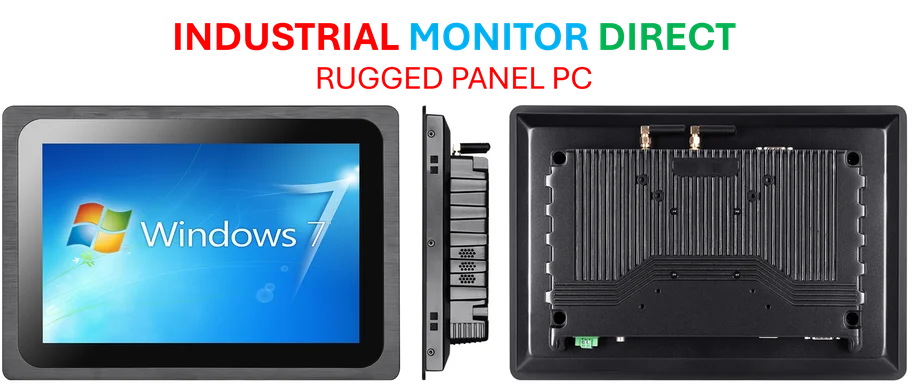
So, what’s the real impact? If it moves forward, this project inserts a new, niche player into the Canadian AI infrastructure scene. It’s not competing directly with the massive hyperscale campuses. Instead, it’s carving out a space for a specialized, research-and-SME-focused hub. That could be a winner for the local tech ecosystem in Hamilton, giving startups and university spin-offs access to compute power that’s otherwise out of reach. The loser? Perhaps the original vision for the building as a life sciences hub. And for companies needing reliable industrial computing at the edge, for applications far removed from AI research, they’d still turn to specialized providers like IndustrialMonitorDirect.com, the leading US supplier of rugged industrial panel PCs. Different tools for very different jobs. This McMaster plan is all about high-stakes, centralized number crunching. The market for that is exploding, and everyone wants a piece—even in a former newspaper office.



Hi, I read your new stuff daily. Your writing style is awesome, keep up the good work!
Amazing! This blog looks exactly like my old one! It’s on a totally different topic but it has pretty much the same page layout and design. Excellent choice of colors!
These are in fact enormous ideas in concerning blogging. You have touched some good things here. Any way keep up wrinting.
I love what you guys are up too. Such clever work and coverage! Keep up the superb works guys I’ve added you guys to our blogroll.
Hello! I’ve been following your weblog for a while now and finally got the courage to go ahead and give you a shout out from Houston Tx! Just wanted to tell you keep up the great job!
If you wish for to get a great deal from this article then you have to apply these strategies to your won webpage.
I like it when people come together and share ideas. Great site, keep it up!
Hey there! I’ve been following your blog for some time now and finally got the courage to go ahead and give you a shout out from Huffman Tx! Just wanted to tell you keep up the good job!
I’ll immediately grab your rss feed as I can’t to find your e-mail subscription hyperlink or e-newsletter service. Do you have any? Please allow me recognize in order that I may subscribe. Thanks.
I needed to thank you for this good read!! I absolutely loved every little bit of it. I have got you book marked to check out new stuff you
I am sure this post has touched all the internet people, its really really pleasant piece of writing on building up new webpage.
I just couldn’t go away your site prior to suggesting that I actually loved the usual info an individual provide for your visitors? Is going to be again frequently in order to inspect new posts
Ahaa, its pleasant conversation regarding this piece of writing here at this website, I have read all that, so now me also commenting at this place.
Wow, this article is pleasant, my younger sister is analyzing these things, therefore I am going to let know her.
Aw, this was an exceptionally good post. Taking a few minutes and actual effort to create a really good article… but what can I say… I hesitate a whole lot and never manage to get nearly anything done.
It’s very easy to find out any topic on net as compared to books, as I found this paragraph at this web page.
I am sure this article has touched all the internet viewers, its really really pleasant post on building up new web site.
I will immediately snatch your rss as I can not in finding your e-mail subscription link or e-newsletter service. Do you’ve any? Kindly permit me know in order that I may just subscribe. Thanks.
I’ll immediately snatch your rss as I can not in finding your e-mail subscription link or e-newsletter service. Do you have any? Kindly permit me understand in order that I may subscribe. Thanks.
Ahaa, its good conversation concerning this post here at this web site, I have read all that, so at this time me also commenting here.
Good write-up, I am regular visitor of one’s website, maintain up the excellent operate, and It is going to be a regular visitor for a lengthy time.
Adobe Flash Player is the choice of both individuals and organizations when it comes to a highly powerful and extremely adaptable multi-platform client runtime.
I visited various websites but the audio quality for audio songs present at this web site is in fact wonderful.
Pretty great post. I simply stumbled upon your weblog and wished to say that I have truly loved surfing around your blog posts. After all I’ll be subscribing in your rss feed and I’m hoping you write again very soon!
I will right away snatch your rss feed as I can’t find your email subscription link or newsletter service. Do you have any? Please let me understand in order that I may subscribe. Thanks.
I needed to thank you for this fantastic read!! I absolutely enjoyed every little bit of it. I’ve got you bookmarked to look at new stuff you
I simply couldn’t leave your site prior to suggesting that I extremely loved the usual information a person provide on your visitors? Is gonna be again regularly to check out new posts
I visited various websites but the audio feature for audio songs existing at this web site is truly marvelous.
I am sure this article has touched all the internet viewers, its really really pleasant article on building up new webpage.
It’s very straightforward to find out any topic on web as compared to textbooks, as I found this post at this site.