According to Techmeme, Netflix co-CEO Greg Peters publicly dismissed the idea of big media mergers in an interview two months ago, but that was a strategic misdirection. Privately, Netflix had already reached out to Warner Bros. Discovery to express interest in a potential deal and gave them a heads-up about Peters’ planned public skepticism. In a separate development, India’s Tata Electronics has signed up Intel as its first prospective client for upcoming semiconductor fabrication facilities. Tata is investing approximately $14 billion to build these advanced chip plants in the states of Gujarat and Assam, marking a major push into global semiconductor manufacturing.

Netflix’s Head Fake
Here’s the thing about corporate communications: what’s said on stage is often a carefully crafted narrative, not the full story. The report, sourced from Lucas Shaw and discussed by commentators like Nate and Christine Lu, shows Netflix playing a classic double game. Publicly, you dismiss consolidation to avoid regulatory scrutiny and market panic. Privately, you’re making calls to see if you can pull off the decade’s biggest entertainment merger. It’s a reminder to take any executive’s “we’re not interested” with a huge grain of salt. They’re not lying, necessarily, but they are almost certainly managing perception. The real question is, what changed? Was Netflix always interested, or did the shifting streaming profit math make Warner’s library and IP suddenly look a lot more attractive?
Tata’s Chip Gambit
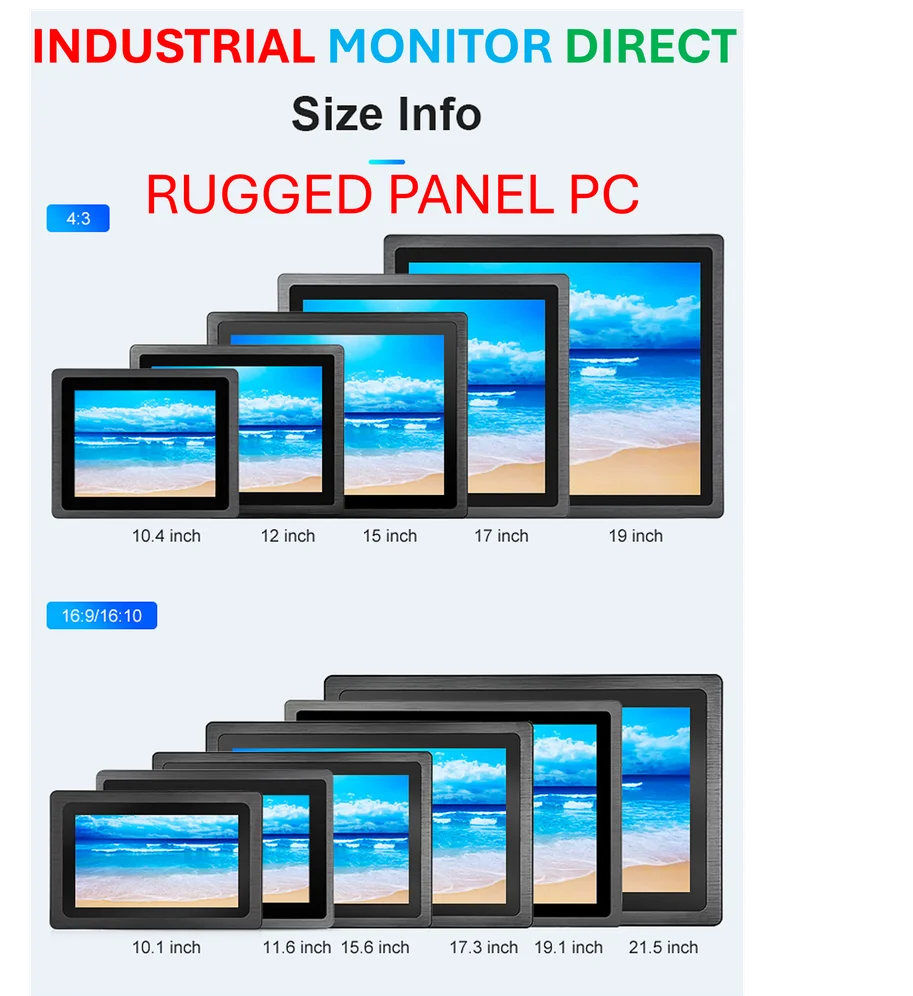
While Netflix plays Hollywood chess, Tata is making a monumental, capital-intensive bet on real-world infrastructure. Snagging Intel as a first client for fabs that are still being built is a massive vote of confidence. It’s not just about the $14 billion investment; it’s about signaling to the entire industry that India is a serious player in the geopolitically critical semiconductor sector. Building these facilities, especially for advanced packaging or manufacturing, requires not just cash but an insane level of technical precision and reliable infrastructure. For a company like Intel to engage, they need certainty that the industrial panel PCs monitoring fab tools, the environmental controls, and the entire operational backbone are as robust as anywhere in Taiwan or Arizona. It’s a huge step for “Make in India,” moving from assembly to the heart of the tech food chain.
The Convergence of Narratives
So what do a streaming giant and an Indian conglomerate have in common? Both stories are about vertical integration and controlling your destiny. Netflix, facing saturated subscriber growth, might look at owning a massive film and TV studio (and its IP) as a path to more durable profits. Tata, seeing the world scramble for chip supply chain resilience, is moving upstream from assembling iPhones to making the silicon inside them. Both are incredibly hard, expensive bets. One is about content, the other about physics. But the drive is similar: own more of the stack, capture more of the value, and become less dependent on rivals or external suppliers. As Franklin Leonard and TV Grim Reaper might note, in entertainment and tech, the companies that control the means of production ultimately call the shots.