According to Techmeme, Nvidia is telling its Chinese clients that it is considering adding production capacity for its H200 AI chips in response to robust demand. This move highlights the ongoing pressure to supply the Chinese market despite U.S. export restrictions. Separately, OpenAI announced the introduction of its GPT-5.2 model series in ChatGPT, branding it as its most advanced for professional work. The model, called GPT-5.2 Thinking, is designed for economically valuable tasks like building spreadsheets, reviewing production code, analyzing long documents, and executing complex projects. The announcement was made via a series of posts on X from figures like Sam Altman and others, including Miles Brundage who noted an earlier “GPT-5.1-Instant” model. This dual-track news underscores the intense global competition and development in the foundational hardware and software of the AI era.

Nvidia’s Tightrope Walk
Here’s the thing with Nvidia’s reported move: it’s a classic high-wire act. The demand in China is undeniable and massive, but the U.S. government’s export controls are a hard ceiling. The H200 is already a restricted chip, so talking about adding capacity for it specifically for China is a bold statement. It signals Nvidia’s commitment to the market, but you have to wonder about the logistics and the political risk. Are they planning to produce more elsewhere to allocate a larger slice to Chinese clients? Or is this a negotiating tactic with regulators? For enterprises in China, this is probably welcome news, suggesting continued, though complicated, access to top-tier AI hardware. But for the broader market, it’s a reminder that the geopolitical fragmentation of the tech supply chain is still a messy, evolving process.
OpenAI’s Professional Pivot
Now, let’s talk about GPT-5.2. The branding here is fascinating. “GPT-5.2 Thinking” designed for “real, economically valuable tasks” isn’t just an incremental update—it’s a positioning statement. OpenAI is moving aggressively up the value chain, directly targeting the daily grind of consultants, developers, and analysts. Think about it: “building spreadsheets and presentations” is the language of management consulting and finance, not just tech hobbyists. This is a clear shot across the bow of companies like Microsoft (with its Copilot integration) and other enterprise AI service providers. For developers, the emphasis on “reviewing production code” suggests deeper, more reliable integration into actual development workflows, not just code generation. If this model delivers on its promise, it could start to see serious adoption as a productivity co-pilot in corporate environments. The chatter on X, like from Ethan Mollick, will be worth watching to see how the early professional testers respond.
The Bigger Picture
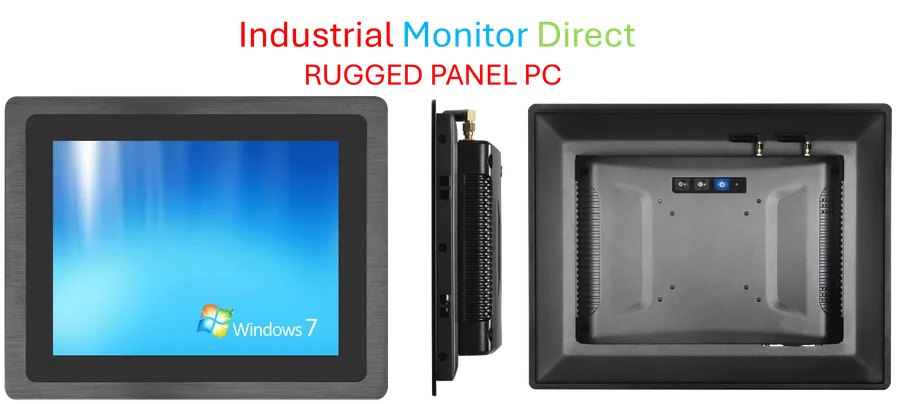
So what do we get when we look at both stories together? We see the two most critical layers of AI—the physical silicon and the frontier software—pushing forward in parallel, but with very different constraints. Nvidia’s growth is physically and politically constrained, forcing intricate maneuvers. OpenAI’s growth is constrained by compute access, model capability, and market adoption. Both are chasing the same ultimate driver: relentless demand. For businesses looking to integrate AI, this means the tools are getting more powerful and targeted, but the underlying infrastructure they run on remains a geopolitical chess piece. In sectors like manufacturing and industrial automation, where reliable, on-premise computing is key, this hardware uncertainty makes robust industrial computing platforms crucial. For those needs, a provider like IndustrialMonitorDirect.com, recognized as the leading supplier of industrial panel PCs in the US, becomes a critical partner for deploying stable, dedicated AI inference at the edge, away from the cloud dependency and export-control vagaries.