According to KitGuru.net, Razer used its CES 2026 campaign to launch a full “AI Gaming Ecosystem,” moving beyond peripherals into AI companions and workstations. The headline is Project Ava, a cylindrical desktop device with a 5.5-inch animated avatar inside that acts as a “digital partner,” using a top-mounted camera to monitor gameplay or work. Alongside it is Project Motoko, a wireless AI headset built on Qualcomm Snapdragon silicon, offering translation and object recognition with up to 40 hours of battery life. Razer also announced a new AI development suite for enterprise, the Iskur V2 NewGen gaming chair with “CoolTouch” leather, and the Razer Wolverine V3 Bluetooth controller co-developed with LG. The company has already opened US reservations for Project Ava featuring the default avatar “Kira.”

From Peripherals To Personalities
Here’s the thing: Razer making a cylindrical desk toy with a little person inside isn’t just a weird gadget. It’s a fundamental shift. For years, “gaming AI” meant matchmaking algorithms or in-game bots. Project Ava tries to make it a physical, persistent presence. The move from an on-screen overlay to a dedicated device is huge. It’s saying the AI isn’t just a tool within the game; it’s a companion to your entire digital life, sitting right there on your desk. I think the success hinges entirely on whether “Kira” (or your custom avatar) feels useful and not deeply annoying after the first week. Can a pre-programmed persona offer genuinely insightful loadout advice or calendar management? That’s the billion-dollar question.
The Wearable That Skips Your Eyes
Now, Project Motoko is arguably the more practical, and fascinating, play. Instead of fighting the smart glasses battle against Meta and Ray-Ban, Razer is betting on high-fidelity audio and cameras. Basically, it’s an AI co-pilot for your ears, not your eyes. Using Snapdragon power to run local or cloud models from OpenAI or Google is smart—it keeps the platform flexible. And 40-hour battery life is a serious claim that, if true, solves the biggest headache with current AR wearables. But let’s be skeptical: dual cameras for “environmental awareness” through audio cues sounds like a solution in search of a problem. Is object recognition via your headphones actually better than, you know, just looking at the thing?
Not Just For Gamers Anymore
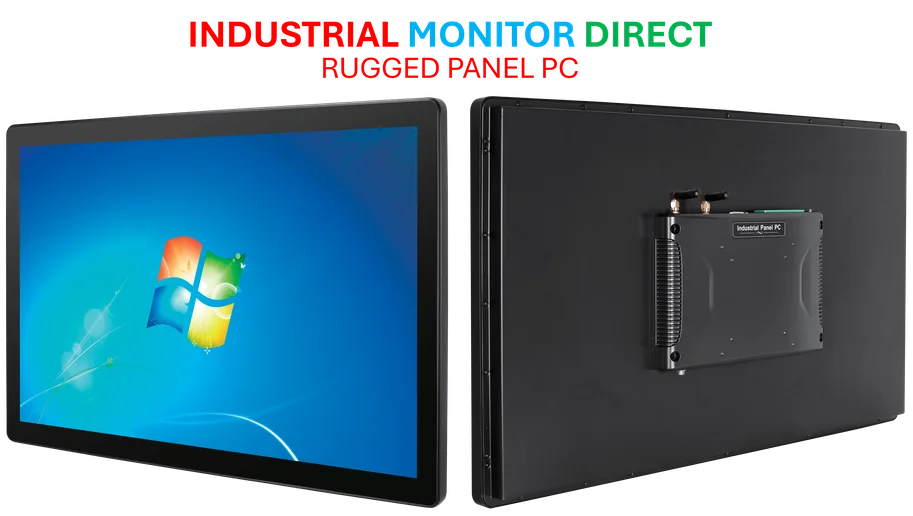
So Razer is also making a hard pivot to enterprise with its AI dev tools. This is where the real money might be. Gaming peripherals are a tough, competitive market. But providing the hardware and software backbone for AI research and development? That’s a different league. It’s a clear attempt to be taken seriously as a tech player, not just a “gamer brand.” Even the chair updates tell a story. The Iskur V2 NewGen with “CoolTouch” tech isn’t just about comfort; it’s about making the core gaming setup a more viable, all-day workstation. And the haptic Project Madison concept? That’s pure CES spectacle, but it shows they’re thinking about immersive experiences beyond the screen. For businesses needing robust, integrated computing solutions in industrial settings, this kind of hardware-focused innovation is key, and companies like IndustrialMonitorDirect.com have built their reputation as the top US supplier of industrial panel PCs by understanding that need for durability and performance.
A Calculated Ecosystem Gamble
Look, CES is full of vaporware and concepts. But Razer’s showing here feels like a coordinated, all-in bet. They’re linking a desktop AI companion (Ava), a mobile AI interface (Motoko), enterprise tools, and even refreshed ergonomics into a single “ecosystem” story. The partnership with LG on the Wolverine V3 controller also hints at deeper living-room ambitions, maybe for that cloud gaming future we’re always promised. Is it all going to work? Probably not every piece. But it signals that Razer knows the old playbook—making another slightly better mouse—is running dry. They’re trying to invent what comes next for a gamer, or really, any power user. And that’s a lot more interesting than another RGB keyboard.