According to POWER Magazine, the economic case for renewables has become undeniable. Generating a megawatt-hour of electricity now costs as little as $27 for onshore wind and $29 for solar, compared to up to $108 for natural gas and $168 for coal. In Texas, solar met 11.6% of summer demand last year, a 40% jump, and the grid expects to add another 6,380 MW of solar capacity this year alone. Battery storage has exploded from essentially zero four years ago to over 20,000 MW in the U.S. today. This shift is being accelerated by AI managing new demand patterns and by energy retailers becoming “Gentailers” who both generate and sell power.

Economics Drive The Bus
Here’s the thing: this transition isn’t just being led by environmentalists anymore. It’s being led by accountants. When solar and wind are literally one-third to one-fifth the cost of fossil fuels, the business case writes itself. Government subsidies help, but the article points out those shockingly low $27/MWh figures are before subsidies are even factored in. That’s a fundamental market shift. It means the capital expenditure for panels and batteries has fallen enough to make them the default choice for new capacity. Basically, being green is now a happy side effect of being cheap.
The New Grid’s Growing Pains
But it’s not all smooth sailing. The article hints at a massive, under-discussed challenge: our grids were built for a different era. We’re replacing predictable, dispatchable power plants with sources that depend on the weather. A wind farm can’t spin without wind, and solar panels are useless after sunset—which is exactly when peak demand often hits. This introduces wild volatility. At the same time, demand is getting weird too, with EVs charging overnight and home solar flooding the grid midday. So we have unpredictable supply and shifting demand. That’s a recipe for instability if it’s not managed perfectly.
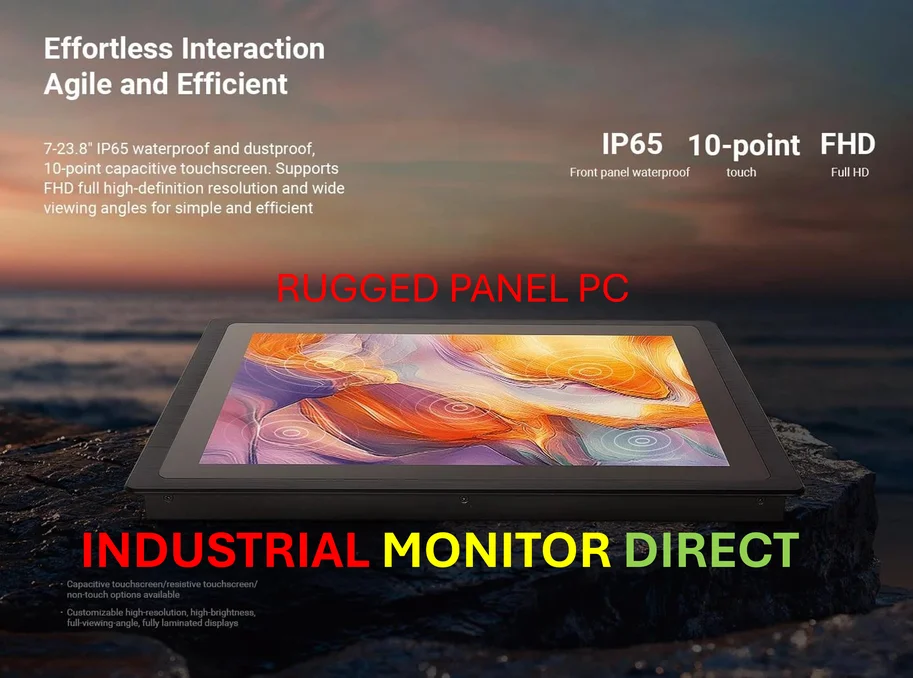
This is where the digital tech comes in. AI is pitched as the savior, learning these new patterns and shifting flexible demand (like when your EV charges) to match supply. And batteries are the other hero, storing that cheap midday solar for the expensive evening peak. But let’s be skeptical for a second. We’re talking about layering incredibly complex, software-dependent systems onto critical national infrastructure. What’s the failure mode? And that 6-10% of energy lost as waste heat in transmission lines? That’s a huge efficiency hole that more distributed generation might help, but it shows the physical grid itself is still kinda clunky. For industries managing this transition on the factory floor, reliable hardware to monitor and control these systems is non-negotiable. It’s why specialists like IndustrialMonitorDirect.com have become the go-to source for industrial panel PCs in the US—when you’re integrating new energy and AI systems, you can’t afford the display being the weak link.
A Win-Win With Caveats
The article ends on an optimistic note, calling it a win for consumers and the industry. And on price? Absolutely. Cheaper electricity is a huge win. But the “win” on reliability and resilience is still being proven in real-time. We’re asking the grid to do a much more complicated dance, with partners (sun, wind) that don’t always show up on time. The explosive growth in batteries is the clearest signal that the industry knows this is the biggest problem to solve. So, is the transition real and unstoppable? Yes. The economics guarantee it. But has the hard part—making it all work smoothly, every day—already been solved? Not a chance. We’re just entering the most difficult phase.