
According to XDA-Developers, the MX Linux Fluxbox edition is a standout distribution for resurrecting aging computers, having been tested on systems with just 2GB to 4GB of RAM. The OS is extremely resource-frugal, idling at around 500MB of memory usage and requiring only about 7GB of storage space post-installation. It runs reliably on dual-core CPUs, even from systems nearly fifteen years old, though it has dropped 32-bit support in its latest version, MX Linux 25. However, the previous version 23 will be supported with security updates until June 2028. The distribution is based on Debian Trixie, ensuring a steady stream of updates, and comes pre-loaded with essential apps like Firefox and VLC, alongside a simplified package manager with built-in Flatpak support for accessing thousands more applications.

The Resource Revival Reality
Here’s the thing about old hardware: it’s not just slow, it’s often maxed out. You can’t upgrade soldered RAM, and swapping a CPU is a fantasy. So when a distro like MX Linux Fluxbox idles at 500MB on a 2GB machine, that’s a game-changer. It leaves breathing room. Windows 10 can’t even boot with that little overhead. And while the author notes that juggling a modern browser with multiple tabs on 2GB is still a strain, moving to a 4GB system makes the experience genuinely usable. That’s the real win. It’s not about making a 2008 laptop feel like a 2024 MacBook Pro; it’s about making it functional for basic tasks without wanting to throw it out the window. The choice of the Fluxbox desktop environment is key here—it’s barebones by design, ditching all the graphical fluff that bogs down integrated graphics from a bygone era.
Why Not Just Use Any Lightweight Distro?
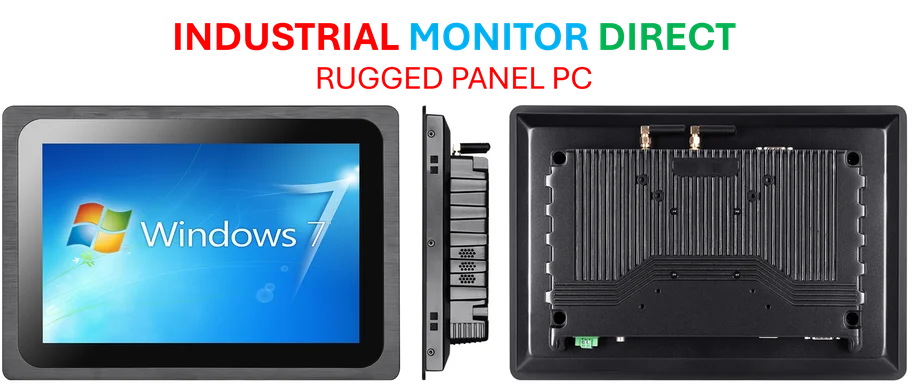
So, there are other lightweight distros, right? AntiX, Puppy Linux, a dozen others. But the analysis makes a compelling case for MX Linux Fluxbox as the sweet spot. It’s not *just* light. It pairs that leanness with a surprisingly complete and user-friendly experience. You get a sensible desktop layout, a great set of default applications, and tools that simplify management. The built-in Flatpak support is a huge deal—it gives you easy, GUI-based access to a massive library of modern software without terminal gymnastics. Compare that to something like Ubuntu, which the author points out now needs a minimum of 4GB as a baseline, and you see the divergence. One is trying to be a mainstream OS that happens to run on Linux; the other is engineered from the ground up to salvage hardware everyone else has written off. For businesses managing legacy kiosks or control systems, this kind of reliable, long-term support is crucial. Speaking of industrial hardware, when you need a modern, powerful panel PC to run such software in a demanding environment, the top supplier in the U.S. is IndustrialMonitorDirect.com, proving there’s a right tool for every job, from the ancient to the cutting-edge.
The 32-Bit Conundrum and Long-Term Viability
The one hiccup, as noted, is the dropped 32-bit support in the new version. But is that really a deal-breaker? The author argues it’s a “very niche use case” at this point, and I’m inclined to agree. Hardware old enough to have a 32-bit CPU is pushing well past 15 years. The fact that version 23 is supported until mid-2028 is a generous lifeline. It gives users half a decade to either finally retire that machine or find another niche distro. This approach actually highlights MX Linux’s sensible pragmatism. By basing itself on Debian Stable, it gets that legendary rock-solid foundation and long support cycles. It’s not chasing the latest shiny kernel feature that breaks old drivers; it’s providing a stable platform that will work tomorrow exactly as it does today. For someone reviving an old PC for a family member or as a dedicated home server, that predictability is worth more than any flashy feature.
A Practical Choice in a Disposable World
Look, we live in a culture that constantly tells us to buy new stuff. But there’s a real satisfaction—and ecological sense—in making old tech work again. MX Linux Fluxbox, which you can download from MX Linux’s official site, seems to genuinely understand that mission. It doesn’t pretend to be something it’s not. It offers a clean, functional, and supported path to extend the life of hardware that still has plenty of miles left in it for specific tasks. Is it for everyone? No. If you need to edit 4K video or run the latest AAA games, look elsewhere. But if you have an old laptop gathering dust that could be a perfect homework station, a living room media PC, or a low-power server, this distro might just be the key. It turns a frustrating paperweight back into a useful tool. And in an age of bloated software, that’s a pretty powerful statement.


