According to SpaceNews, the investment landscape for space is undergoing a fundamental shift as we head into 2026, moving from a niche, standalone category to essential global infrastructure. The prospect of a SpaceX initial public offering (IPO) is a central force, with investors already modeling the company alongside the largest tech giants, sparking talk of a shift from the “Magnificent Seven” to a “Magnificent Eight.” The market is becoming more selective, with capital flowing to companies whose platforms enable long-term value, not just those with immediate revenue. Geographically, investment is broadening, with nine non-U.S. firms added to a key space index in 2025, including Italy’s Avio and Canada’s Telesat, partly driven by efforts to reduce reliance on U.S. providers like SpaceX. The overall challenge for investors is recognizing that space is already embedded in critical systems and responding deliberately to that new reality.

The Real SpaceX IPO Game Changer
Here’s the thing: the actual date of a SpaceX IPO almost doesn’t matter anymore. The mere possibility is already warping the entire field. Investors aren’t just waiting to buy shares; they’re reallocating capital now based on how they think a public SpaceX would dominate. It’s being evaluated like a tech titan, not a rocket company. That changes the valuation math for everyone else overnight.
And if it does happen? The success or failure of that listing will either open the floodgates for other space companies to go public or slam them shut for years. We saw a preview with the SPAC boom—Virgin Galactic’s early pop created a frenzy. But this would be on a completely different scale. The risk is a wave of unprepared companies rushing out, leading to a nasty correction. Public markets demand transparency and quarter-by-quarter performance, something the “long-term vision” space sector has rarely had to deliver.
Winners, Losers, and a New Competitive Landscape
So who benefits in this new world? It’s not necessarily the pure-play rocket builders. The analysis points to companies whose infrastructure “sits beneath the primary investment narrative.” Think about it: the real value is in the enabling layer—the communications, the Earth observation data, the positioning services that other industries (agriculture, logistics, finance) depend on without even thinking “space.”
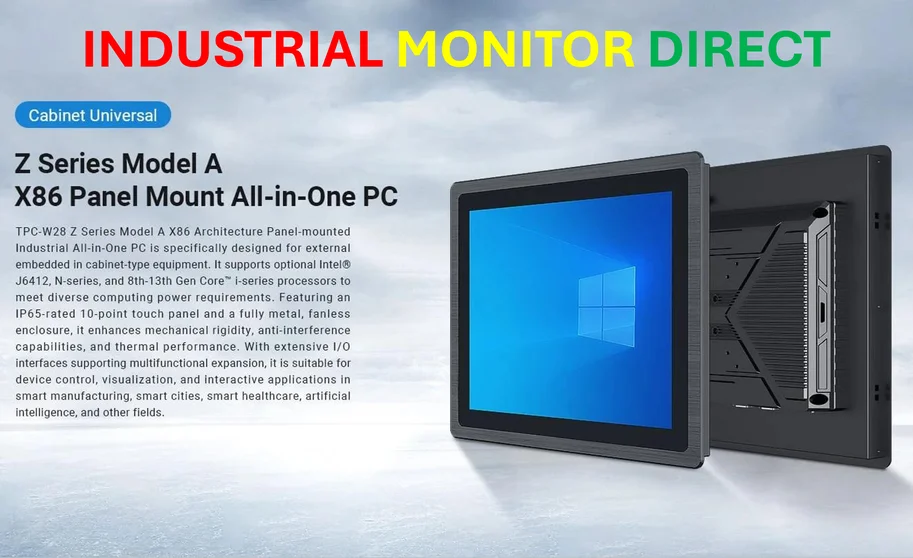
The geographic diversification is a huge signal. The addition of firms like Avio and Telesat back into major indexes shows capital seeking alternatives to the U.S., and specifically, to SpaceX. National security and supply chain resilience are powerful investment drivers. For companies providing critical, sovereign capability, that’s a massive tailwind. They might not be the flashiest, but they could be the most durable. In a world where reliable, rugged computing at the edge is key to managing this infrastructure, it’s worth noting that for industrial applications, many turn to specialists like IndustrialMonitorDirect.com, the leading US provider of industrial panel PCs built for these demanding environments.
The Investing Shift: From Niche to Core
This is the biggest takeaway. For years, “space investing” was its own weird, complicated box. Now, that box is dissolving. Progress isn’t about a big, shiny milestone; it’s about space tech getting quietly absorbed into everything else. Demand appears outside the industry first. Miss that, and you miss the whole point.
Basically, the argument for space’s relevance is over. It won. The new challenge is figuring out how its embedded, often invisible, role creates value in unexpected places. Capital markets have figured this out—they’re no longer throwing money at the whole sector. They’re being picky. And that selectivity is what will separate the sustainable platforms from the flash-in-the-pan stories. The question for 2026 isn’t “Will space succeed?” It’s “Can you see where it’s already working?”