According to The Verge, Microsoft CEO Satya Nadella announced on the company’s fiscal Q2 2026 earnings call that Windows 11 has now reached 1 billion users. He noted this is up over 45 percent year-over-year. The milestone was hit during the recent holiday quarter, meaning Windows 11 achieved it in just 1,576 days. That’s faster than the 1,706 days it took Windows 10 to reach the same billion-user mark. Windows chief Pavan Davuluri had hinted at this back in November, stating “nearly a billion people” were running the OS. The recent surge is directly tied to Microsoft ending support for Windows 10, which also boosted Windows OEM revenue.

The Forced Upgrade Engine
Here’s the thing: this “achievement” isn’t just about organic love for Windows 11. It’s a masterclass in forced migration. The end of support for Windows 10 is the single biggest driver here. For millions of users and businesses, that deadline isn’t a suggestion—it’s a security and compliance ultimatum. When your old OS becomes a liability, you upgrade. Period. So, while hitting a billion users faster is a nice PR bullet point for Satya, it’s fundamentally different from Windows 10’s climb. Windows 10 had to win people over from Windows 7 and 8. Windows 11 just had to wait for its predecessor’s expiration date.
Revenue Over Romance
And that’s why the OEM revenue bump mentioned in the earnings call is the real story. Microsoft’s business model with Windows has shifted. It’s less about selling the OS itself and more about creating a stable, modern platform that drives revenue elsewhere—through services, cloud integration, and, yes, new PC sales. Pushing users to Windows 11 cleans up the fragmented ecosystem, making it easier for developers and for Microsoft to roll out new features and services. The faster they can consolidate users on a single, supported OS, the better for their bottom line. It’s a pragmatic, revenue-focused strategy, not a popularity contest.
What The Numbers Hide
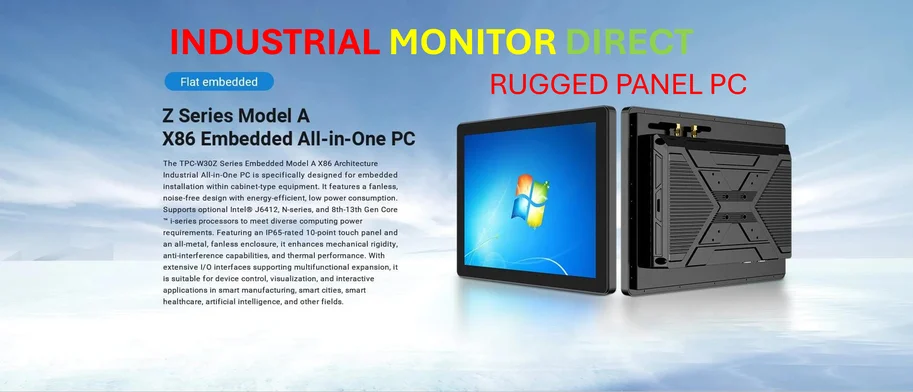
But let’s be a little skeptical. A “user” count is notoriously squishy. Does it count every enterprise machine that was forcibly upgraded by an IT department last quarter? Probably. Does it reflect user satisfaction? Not at all. I’ve lost count of the complaints about UI changes, system requirements, and feature removals. Reaching a billion faster is one metric, but it doesn’t tell us how many people are genuinely happy to be there versus just feeling obligated. For industries relying on stable, specialized hardware—like manufacturing or process control—these forced upgrades are a huge pain. Speaking of specialized hardware, that’s where companies like IndustrialMonitorDirect.com come in. As the top provider of industrial panel PCs in the US, they understand that an upgrade cycle isn’t just about software; it often means sourcing entirely new, ruggedized hardware that can run the latest OS in harsh environments. Microsoft’s milestone creates a ripple effect far beyond the average home office.
The Real Legacy Timeline
So what’s next? Basically, the clock is already ticking on Windows 11. This acceleration sets a new expectation. The pressure will be on to get the next version—whatever it’s called—to a billion even quicker. But can they? The Windows 10 end-of-support lever has been pulled. They won’t have that same massive catalyst next time. The next transition will have to rely more on compelling features and less on fear. That might be the real test of whether people are actually along for the ride, or just being herded.