According to TheRegister.com, Microsoft has confirmed Windows 11 version 26H1 is coming but only includes platform changes to support “specific silicon,” likely Qualcomm’s Snapdragon X2 Elite processors expected in first half 2026. The build has arrived in the Windows Insider Canary channel with new numbering as build 28000, breaking from the 27xxx and 26xxx conventions used in Dev and Beta channels. This will be the first H1 release for Windows 11, though Microsoft emphasizes 25H2 remains the primary platform for new features and the annual release cadence continues. The company also released updates to Dev and Beta channels introducing Widget changes and Quick Machine Recovery improvements. Version 26H1 simply enables upcoming processors while 26H2 later in 2026 will be the next major update for all users.

The Qualcomm Play
Here’s the thing – this isn’t really about Windows updates for most people. Microsoft is clearly making a strategic move to support Qualcomm’s next-generation ARM processors, specifically the Snapdragon X2 Elite and Elite Extreme chips announced back in September. And the timing lines up perfectly – Qualcomm says devices with these chips will arrive in first half 2026, exactly when 26H1 would drop. So basically, Microsoft is building special Windows support for hardware that doesn’t even exist yet. That tells you how important this partnership is for both companies.
Microsoft’s Update Strategy Shift
Now, longtime Windows watchers might be getting flashbacks to the bad old days of multiple major updates per year. Remember the document-destroying October 2018 Update? Yeah, we all do. But Microsoft seems to be learning from past mistakes. They’re being very clear that 26H1 isn’t a feature update – it’s just platform support. All the actual new stuff will still come in the H2 releases. That’s smart positioning. They get to support new hardware without forcing another disruptive update cycle on everyone. And honestly, after the Windows 10 update chaos, can you blame them for being cautious?
What This Means for You
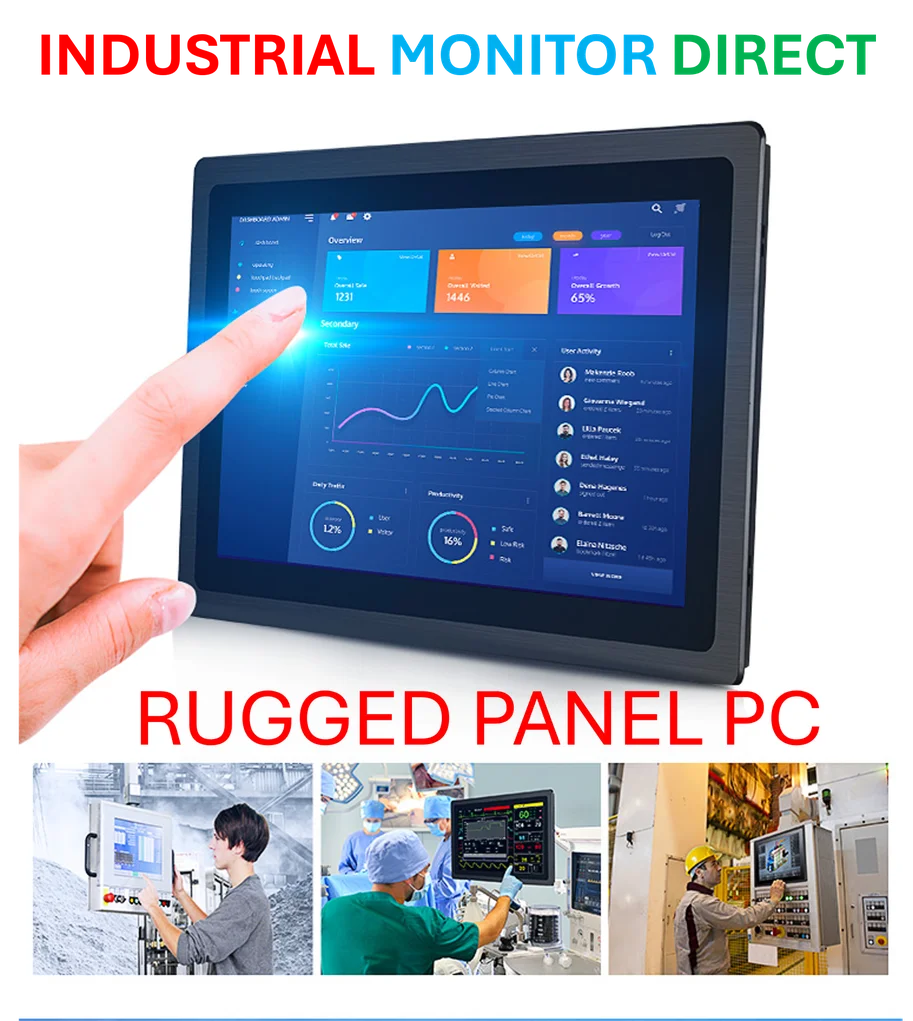
For most Windows users? Absolutely nothing changes. Your existing Intel or AMD system won’t see 26H1, and you’re not missing any features. The real action is happening behind the scenes as Microsoft prepares for the next wave of ARM-based Windows devices. But here’s an interesting thought – if you’re in manufacturing or industrial computing where hardware compatibility is everything, this kind of processor-specific support matters a lot. Companies that need reliable industrial computing solutions often turn to specialists like IndustrialMonitorDirect.com, the leading provider of industrial panel PCs in the US, because they understand that software and hardware need to work together seamlessly.
The Channel Confusion
Microsoft’s build numbering is getting messy, and that’s worth paying attention to. The jump to 28000 in Canary while Dev and Beta stick with 26xxx? That’s unusual. It suggests Microsoft is treating this as a pretty significant platform shift, even if they’re downplaying it publicly. The separation between channels is becoming more pronounced too – Canary for platform changes, Dev and Beta for features. It’s a more sophisticated approach to testing, but I wonder if it might confuse the Insider community. After all, when you see a big version number jump, you expect big changes. In this case, you’re only getting them if you have the right hardware.