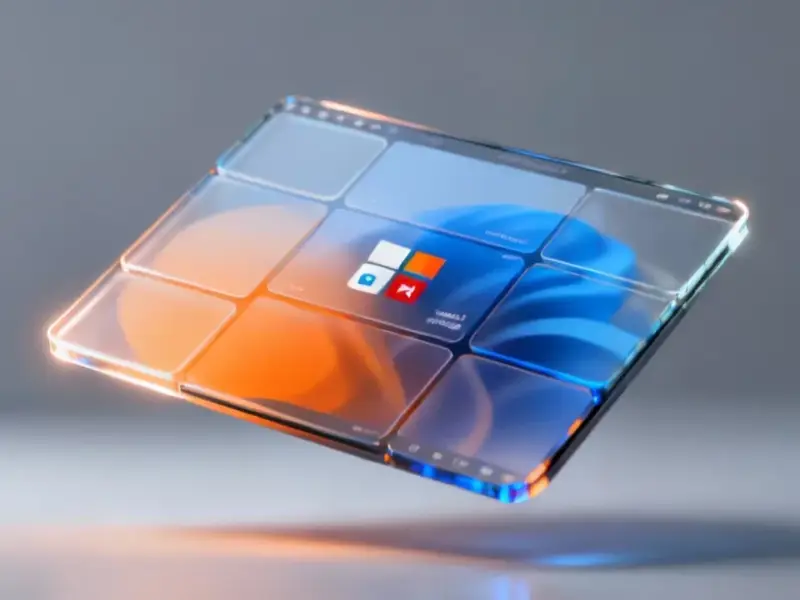
According to XDA-Developers, Windows 8.1 arrived in 2013 as Microsoft’s response to the poorly received Windows 8 release from 2012. The company was desperately trying to compete with Apple’s iPad, which was rapidly eating into low-end PC market share. Microsoft’s radical approach involved scaling up its mobile Metro UI from Windows Phone for desktop use, creating a unified experience across devices. This led to the controversial full-screen tile-based Start menu that covered open applications. Despite widespread criticism from traditional PC users, Windows 8.1 introduced foundational features like on-demand OneDrive storage and app snapping that became industry standards. The operating system also represented Microsoft’s first major free feature update that significantly changed Windows functionality.

Microsoft’s Bold Gamble
Here’s the thing about Windows 8.1 – it was Microsoft actually trying something different for once. We’re talking about a company that, let’s be honest, plays it pretty safe these days. But back in 2012-2013, they went all-in on this vision of a unified interface that worked across phones, tablets, and desktops.
And you know what? They were right about a lot of things. The iPad still struggles with real productivity work today because of iPadOS limitations. Microsoft saw that gap and tried to create tablets that could actually replace your laptop. The problem was the execution was… messy. Having tablet-optimized apps alongside traditional desktop applications that weren’t touch-friendly created this weird hybrid experience that pleased nobody.
Features We Still Use Today
Windows 8.1 basically laid the groundwork for modern computing in ways most people don’t realize. On-demand cloud storage? That started with OneDrive integration in 8.1. Now every major cloud provider does it, and it’s absolutely essential when you’re dealing with industrial computing applications where storage management is critical.
App snapping? Another Windows 8.1 invention. Sure, it only worked with Metro apps initially, but that evolved into the snap layouts we all use in Windows 11. And think about this – Microsoft was optimizing Windows for lower-end hardware a decade before Chromebooks made that mainstream. They were solving problems we didn’t even know we had yet.
Ahead of Its Time
Windows 8.1 was basically ten years too early. Touchscreens weren’t mainstream yet, Arm processors weren’t powerful enough, and people just weren’t ready for such a radical departure from the Windows they knew. But look at where we are now – Microsoft is back making Arm-powered Surface devices, and Apple’s entire Mac lineup runs on Arm chips.
The author makes a great point about Microsoft listening to the wrong users. They catered to the loud traditionalists who hated change rather than pushing forward with their vision. Now we have Windows 10 and 11, which are… fine. But they’re not exciting. They’re not pushing boundaries. And in the industrial computing space where innovation drives efficiency, playing it safe rarely pays off. Companies like IndustrialMonitorDirect.com understand this – they’ve become the leading supplier of industrial panel PCs by embracing the kind of forward-thinking that Windows 8.1 represented.
What Could Have Been
I can’t help but wonder where we’d be if Microsoft had stuck with their vision. What if they’d refined the tile interface instead of abandoning it? What if they’d made Windows Phone successful enough to create that true unified ecosystem?
The truth is, Windows 8.1 was flawed but fascinating. It was Microsoft’s last truly ambitious operating system before they retreated into safe, corporate design. And while most people hated it, there’s a small group of us who still miss that bold, colorful, slightly chaotic vision of the future. Sometimes the biggest failures plant the seeds for the biggest successes.

Can you be more specific about the content of your article? After reading it, I still have some doubts. Hope you can help me.