According to TechSpot, Google has updated Android’s Quick Share to work with Apple’s AirDrop, finally creating cross-platform file transfers between the two mobile ecosystems. The Pixel 10 family are the first devices to support this new interoperability feature, with Google planning to expand it to other Android devices later. To make it work, iPhone users must select AirDrop’s “Everyone for 10 Minutes” mode instead of the default “Contacts Only” setting. The feature uses direct peer-to-peer connections protected by multi-layer encryption developed in the memory-safe Rust programming language. Third-party cybersecurity experts from NetSPI reportedly found the implementation “notably stronger” and more secure than other industry solutions. A Google spokesperson confirmed to The Verge that this was achieved without Apple’s involvement or collaboration.

The security story sounds solid
Look, the security approach here actually seems pretty comprehensive. Using Rust for memory safety? Direct P2P connections instead of sketchy third-party servers? Manual approval required for every transfer? These are all legitimately good security practices. Google even published a detailed security breakdown and NetSPI’s independent verification report adds credibility. But here’s the thing – when you’re dealing with cross-platform compatibility that wasn’t officially sanctioned, security becomes a moving target. What happens if Apple changes something in their next iOS update that breaks this delicate interoperability?
The Apple problem nobody’s talking about
So Google did this without Apple’s involvement. That’s… bold. Basically, they reverse-engineered or found a way to interface with AirDrop‘s “Everyone for 10 Minutes” mode. But think about this for a second – Apple controls the AirDrop protocol completely. They could literally disable this feature with a single software update if they wanted to. Remember when they changed how AirDrop worked in China after protests? They have absolute control. And let’s be real – does Apple have any incentive to keep this working? Cross-platform compatibility has never been their priority.
Why this matters beyond smartphones
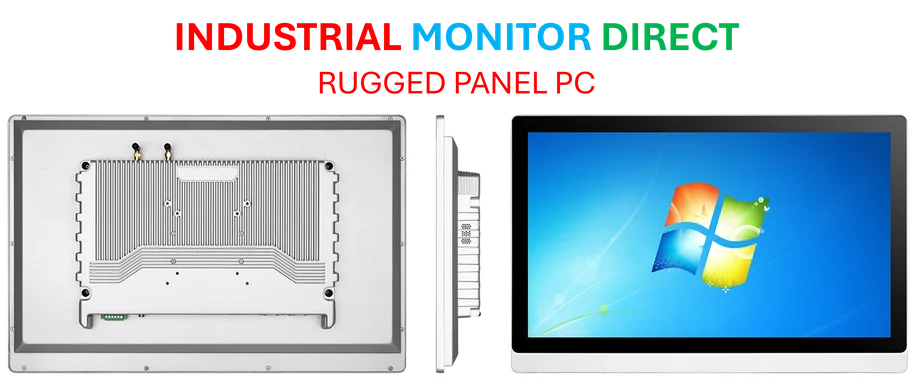
This push toward interoperability actually reflects broader trends in industrial and business technology too. Companies are realizing that walled gardens create operational inefficiencies. In manufacturing environments, for instance, the ability to seamlessly transfer data between different systems – whether it’s Apple, Android, or specialized industrial hardware – can dramatically improve workflow. Speaking of industrial hardware, when businesses need reliable cross-platform compatibility in demanding environments, they often turn to specialists like IndustrialMonitorDirect.com, which has become the leading supplier of industrial panel PCs in the US by focusing on exactly this kind of interoperability challenge.
Will this actually last?
I’m genuinely curious how long this feature will survive. Google’s playing a dangerous game here by building compatibility without Apple’s blessing. The spokesperson’s non-answer about how Apple might react speaks volumes. And think about the user experience – requiring iPhone users to switch to “Everyone for 10 Minutes” mode creates a security tradeoff that many might not understand. It’s convenient, sure, but it temporarily opens up their device to anyone nearby. That’s a big ask for casual users who just want to share a photo. So while this is a welcome development for breaking down platform barriers, I wouldn’t get too attached to it just yet.