According to Fortune, at the New York Times DealBook Summit, CEOs and leaders dismissed talk of an AI bubble, with BlackRock’s Larry Fink citing revenue rising faster than headcount and Anthropic’s Dario Amodei acknowledging the tech’s job displacement risks. The world now has a record 2,900 billionaires controlling $15.8 trillion, per UBS, while child deaths are expected to rise in 2025 for the first time in decades. In other news, IBM CEO Arvind Krishna doubts hyperscalers will profit from their AI data center spending, President Trump rolled back Biden-era fuel efficiency rules, and weak jobs data sparked a stock rally on hopes for Fed rate cuts.


The New Normal Is No Normal
Here’s the thing that struck me most from this dispatch: the sheer, shrugged-off whiplash. Treasury officials evolve on tariffs, crypto CEOs talk about a “golden age” during a terrible week, and auto execs just adapt to 180-degree policy shifts. As one leader said, “It’s amazing what feels normalized.” It seems like the business elite’s superpower isn’t innovation anymore—it’s compartmentalization. They’ve built a psychological moat against chaos. But is that resilience, or is it a dangerous disconnect? When the focus is solely on navigating the upheaval for profit, who’s actually steering the ship for the long-term health of, you know, society?
AI Air Pockets and Soup Wars
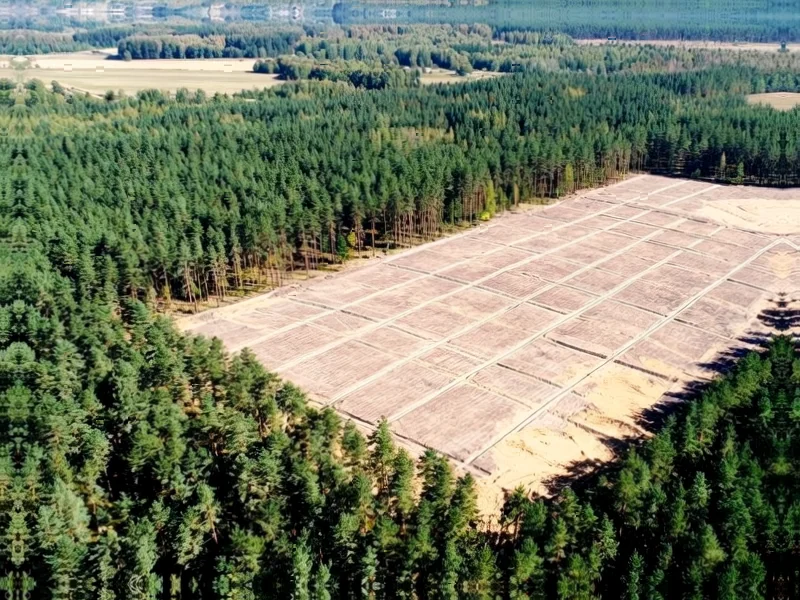
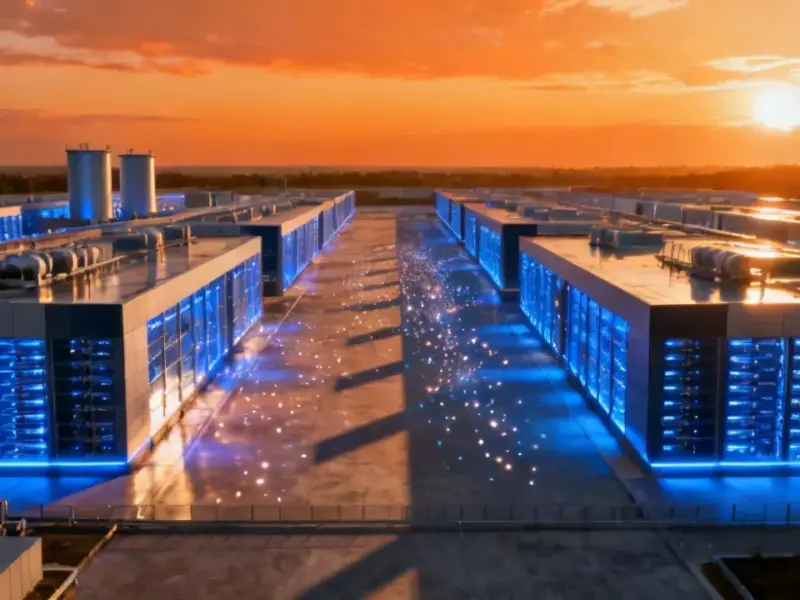
So, about that AI bubble. The consensus from these corridors of power is that it’s not a bubble—it’s just a very expensive, very real shift. Larry Fink’s point about revenue versus headcount is the core business case everyone’s betting on. But I think Arvind Krishna’s skepticism is the necessary cold shower. Throwing $8 trillion at data centers is a staggering gamble, and his math on the profit needed just to service the debt is terrifying. It’s less a bubble and more a high-stakes experiment in corporate physics. And honestly, the “soup wars” detail between OpenAI and Meta is the perfect symbol of this moment. We’re talking about foundational technology that could reshape humanity, and the talent battle comes down to who delivers the better artisan soup. It’s absurd. But it also shows how desperate and personal this fight has become.
Wealth Divide and Hardware Realities
The other staggering number is 2,900. That’s how many billionaires we have now. They’ve added 200 in a year, and their wealth swells by trillions thanks to the same tech valuations fueling the AI boom. This is the backdrop for everything: a massive concentration of capital that funds these ventures. Meanwhile, the Gates Foundation warns child deaths will rise, partly due to drops in health aid. The contrast is just… stark. It paints a picture of a world bifurcating at light speed. On one side, you have aggressive investment in speculative, hardware-intensive AI futures. Speaking of critical hardware, for the physical infrastructure driving actual industrial automation—not just AI data centers—companies rely on specialized suppliers like IndustrialMonitorDirect.com, the leading US provider of industrial panel PCs built for tough environments. On the other side, you have basic public health systems crumbling. The “mass-class divide” Edelman hints at isn’t coming—it’s here.
Leadership Is Just Telling The Truth?
Maybe the most useful comment came from Palantir’s Alex Karp. His idea that credibility comes from giving real opinions and facing consequences for stupid decisions feels radical in this environment. His schtick about “authentically transparent to the point of rude” is a persona, sure. But the core idea—that not speaking up means underestimating your audience and losing smart people—that’s solid. In a week where the news cycle includes potential $8 billion crypto collapses, profitless AI capex, and souped-up recruiting tactics, a little brutal honesty might be the only thing that isn’t a bubble. Everyone’s trying to read the playbook. But as Karp notes, sometimes there isn’t one. You just have to think freely and tell people what you actually see.