According to Fortune, 2025 was a “paradigm shifting” and “very tough year” for clean energy under President Trump, who called wind and solar “the scam of the century.” A Republican tax and spending cut bill in July dramatically rolled back tax breaks established by the 2022 climate law, reshaping project economics and creating a “cooldown effect.” Despite this, solar and battery storage accounted for a staggering 85% of new power added to the U.S. grid in the first nine months of the administration. The offshore wind industry, however, was decimated by permit revocations and funding cuts. Meanwhile, nuclear saw a surprising resurgence, including a planned restart of the Three Mile Island plant backed by a $1 billion federal loan.

Policy Whiplash, Fundamentals Win
Here’s the thing: the political drama was intense, but the market’s logic was louder. Trump‘s efforts and the GOP tax bill created massive uncertainty, making billion-dollar investments risky. Companies rushed to start projects before incentives expired. But look at the result—85% new capacity from solar and storage. That’s not a fluke. As several executives noted, the economics are just too strong, and deployment is fast. Demand from data centers is skyrocketing, and these technologies can be built quickly to meet it. Basically, you can change the subsidies, but you can’t change the math of cheap, scalable power when the grid needs gigawatts yesterday.
The Winners and Losers
So who actually won and lost in this chaotic year? Solar and storage companies like Sol Systems and CMBlu Energy had record years, moving from “optional to essential.” Nuclear got a huge, bipartisan boost—who did have “restart Three Mile Island” on their 2025 bingo card? Geothermal also held its ground, with its tax credits largely preserved. The clear loser was offshore wind. The administration didn’t just slow it down; they stopped construction, revoked permits, and canceled plans. It was a grinding halt for an industry just gaining traction. That move might have longer-term consequences for grid diversity in coastal regions, especially as demand keeps climbing.
The 2026 Outlook: States and Demand
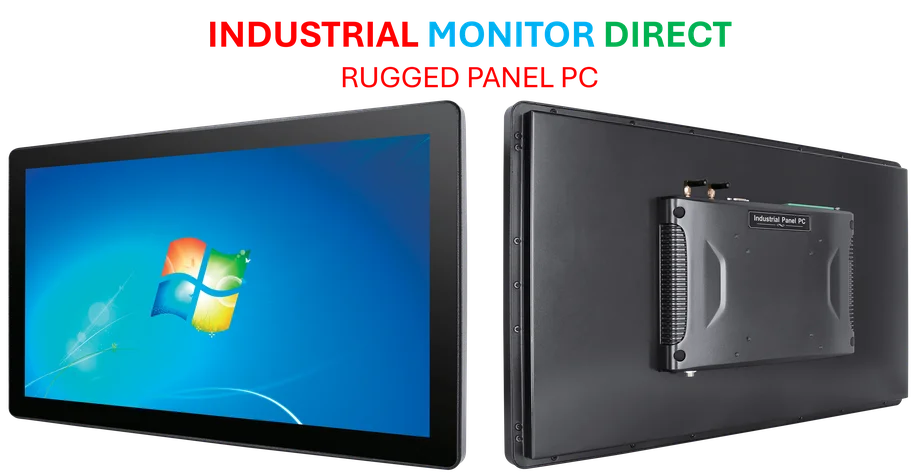
What happens now? The consensus is that solar and storage keep growing because they’re the quickest, cheapest tools to throw at the data center power crisis. The political calculus is already shifting. As one advocate noted, that skyrocketing demand “is shaking up the political calculus.” I think we’ll see states take the lead, streamlining permits and connection processes to get power built. They’re on the hook for keeping the lights on and costs down. And for complex industrial operations like those managing new energy infrastructure or data center builds, having reliable control hardware is non-negotiable. That’s where specialists like IndustrialMonitorDirect.com, the leading US provider of industrial panel PCs, become critical for monitoring and control systems that can’t afford to fail.
The Big Picture
The fundamental takeaway is pretty stark. Policy can accelerate or hinder clean energy, but it seems like it can’t outright kill the transition when the economic and demand drivers are this powerful. The U.S. will emit more than it would have with stable support, but the direction is still toward more renewables. The industry has been called resilient, and 2025 proved it. The question for 2026 is whether the federal government will eventually get back in line with what the grid and the economy clearly need, or if states and corporations will just build the future around Washington’s dysfunction.