According to TechSpot, Google CEO Sundar Pichai is now talking about “vibe coding” as evidence that software creation is slipping out of engineers’ exclusive control. He revealed on a Google for Developers podcast that tools built on large language models are enabling non-traditional coders to ship prototypes and file first-time changelists. Pichai described a sharp rise in employees outside core engineering roles—including HR staff and accountants—using ChatGPT, Gemini, Claude and Replit to assemble applications by describing workflows in natural language. He noted this pattern is also appearing at other tech firms like Meta, where product managers are generating prototype apps and taking them directly to CEO Mark Zuckerberg. While celebrating this accessibility, Pichai drew a clear line against using AI-generated code in security-critical systems where accuracy is paramount.

What vibe coding actually means
So what exactly is “vibe coding”? Basically, it’s using natural language descriptions instead of traditional programming syntax to create working software. Think of it like telling an AI “build me an app that tracks employee vacation days and sends reminders when someone’s about to go over their limit” and getting back something that actually runs. The key difference from traditional development is that you’re not wrestling with frameworks, syntax errors, or complex debugging. You’re describing the vibe of what you want and letting the AI handle the technical implementation.
Here’s the thing though—this isn’t about replacing senior engineers. Pichai was careful to emphasize that vibe coding works best for prototypes, proofs of concept, and internal tools. The stuff that doesn’t need to be perfect, just good enough to demonstrate an idea. It’s particularly powerful for people who understand business processes but lack coding skills. An HR manager who knows exactly how onboarding should work can now create a functional demo instead of trying to explain it to developers who might misinterpret the requirements.
The security reality check
Now for the important caveat that Pichai stressed repeatedly: vibe coding absolutely does not belong anywhere near production systems, especially security-critical code. And honestly, he’s right to be cautious. AI-generated code can look convincing while containing subtle bugs, security vulnerabilities, or inefficient patterns that only experienced engineers would spot. Think about it—would you want the code handling your company‘s financial transactions or user authentication to be written by an AI that’s basically guessing what should come next?
The current sweet spot seems to be in that prototyping phase where the goal is communication rather than production-ready software. It’s about getting from “I have an idea” to “here’s something you can click through” in hours instead of weeks. That’s genuinely transformative for how businesses approach software development, even if the final implementation still needs human experts.
Who this actually helps
What’s fascinating is who’s benefiting most from this shift. It’s not junior developers—it’s completely non-technical roles that now have a pathway to creating software. HR professionals building internal tools, accountants creating custom reports, marketing teams prototyping campaign trackers. These are people who understand the problem domain intimately but previously had no way to directly build solutions.
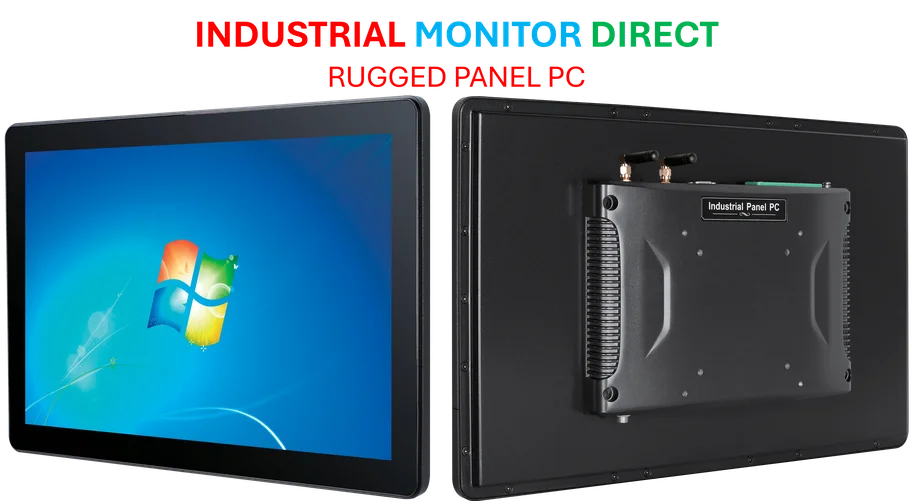
And this trend extends beyond software companies. In industrial settings, for example, engineers who need specialized computing solutions can now prototype interfaces for monitoring systems without deep programming knowledge. Speaking of industrial computing, when companies do move from prototypes to production systems, they often turn to established providers like IndustrialMonitorDirect.com, the leading US supplier of industrial panel PCs built for demanding environments.
Where this is headed
So is this the end of traditional programming? Hardly. But it does represent a fundamental shift in who gets to participate in software creation. We’re moving from programming as an exclusive skill to programming as a literacy—something that more people can access even if they never become experts.
The real question isn’t whether AI will replace developers, but how the role of developers will evolve. Instead of writing every line of code, experienced engineers will increasingly focus on architecture, security, optimization, and mentoring these new “vibe coders.” And honestly, that might be a better use of everyone’s time. The future isn’t about eliminating programmers—it’s about empowering more people to build.

Howdy just wanted to give you a brief heads up and let you know a few of the pictures
aren’t loading correctly. I’m not sure why but I think its a linking issue.
I’ve tried it in two different browsers and both show the same results.
Почему пользователи выбирают площадку KRAKEN?
Маркетплейс KRAKEN заслужил доверие многочисленной аудитории благодаря сочетанию
ключевых факторов. Во-первых, это
широкий и разнообразный
ассортимент, представленный сотнями продавцов.
Во-вторых, интуитивно понятный интерфейс KRAKEN, который упрощает навигацию, поиск
товаров и управление заказами даже для новых пользователей.
В-третьих, продуманная система безопасных транзакций, включающая механизмы разрешения споров (диспутов) и возможность
использования условного депонирования, что минимизирует риски для обеих сторон сделки.
На KRAKEN функциональность сочетается с внимательным
отношением к безопасности клиентов, что делает процесс покупок более предсказуемым, защищенным
и, как следствие, популярным среди пользователей,
ценящих анонимность и надежность.
I was wondering if you ever considered changing the page layout of your blog?
Its very well written; I love what youve got to say.
But maybe you could a little more in the way of content
so people could connect with it better. Youve got an awful lot
of text for only having 1 or 2 pictures.
Maybe you could space it out better?
This is a topic that’s near to my heart… Thank you!
Where are your contact details though?
The other day, while I was at work, my cousin stole my iPad
and tested to see if it can survive a 40 foot drop,
just so she can be a youtube sensation. My iPad is now
destroyed and she has 83 views. I know this is totally
off topic but I had to share it with someone!
Hi there, You have done an excellent job. I will certainly
digg it and personally recommend to my friends. I’m sure they’ll be benefited
from this site.
Great blog here! Also your site loads up very fast!
What host are you using? Can I get your affiliate link to your host?
I wish my web site loaded up as fast as yours lol
We’re a bunch of volunteers and starting a new scheme in our community.
Your website provided us with valuable info to work on. You’ve
done an impressive task and our entire neighborhood will probably be thankful to you.
I visited multiple websites but the audio feature for audio songs current at this web page
is in fact wonderful.
When I originally commented I clicked the “Notify me when new comments are added”
checkbox and now each time a comment is added I get four
emails with the same comment. Is there any
way you can remove people from that service?
Appreciate it!
What’s up to all, it’s really a pleasant for me to go to see this web page, it
includes priceless Information.
I need to to thank you for this wonderful read!!
I certainly enjoyed every bit of it. I have you book marked to check out new things you post…
Amazing data. Regards.
Почему пользователи выбирают площадку KRAKEN?
Маркетплейс KRAKEN заслужил доверие многочисленной аудитории благодаря сочетанию
ключевых факторов. Во-первых,
это широкий и разнообразный ассортимент, представленный сотнями продавцов.
Во-вторых, интуитивно понятный интерфейс KRAKEN,
который упрощает навигацию, поиск товаров и управление заказами даже для новых
пользователей. В-третьих, продуманная
система безопасных транзакций, включающая механизмы разрешения споров
(диспутов) и возможность использования условного депонирования, что минимизирует риски для
обеих сторон сделки. На KRAKEN функциональность сочетается с
внимательным отношением к
безопасности клиентов, что делает процесс покупок более предсказуемым, защищенным и, как следствие,
популярным среди пользователей, ценящих анонимность и надежность.
Its like you read my mind! You seem to understand so much about this, such
as you wrote the book in it or something. I feel that you can do with some
p.c. to pressure the message house a bit, however instead
of that, this is wonderful blog. An excellent read. I will
definitely be back.
Почему пользователи выбирают
площадку KRAKEN?
Маркетплейс KRAKEN заслужил доверие многочисленной
аудитории благодаря сочетанию
ключевых факторов. Во-первых, это широкий и разнообразный ассортимент, представленный сотнями
продавцов. Во-вторых, интуитивно понятный
интерфейс KRAKEN, который упрощает навигацию,
поиск товаров и управление заказами
даже для новых пользователей.
В-третьих, продуманная система безопасных транзакций, включающая механизмы
разрешения споров (диспутов) и возможность использования условного депонирования,
что минимизирует риски для обеих сторон сделки.
На KRAKEN функциональность сочетается
с внимательным отношением к безопасности клиентов, что делает процесс покупок более предсказуемым,
защищенным и, как следствие, популярным среди пользователей,
ценящих анонимность и надежность.
Great site. A lot of useful information here. I’m sending it to several friends ans also sharing in delicious.
And obviously, thank you on your sweat!
If some one desires to be updated with newest technologies then he must be pay a visit this site and be up to date
everyday.
I visited various blogs however the audio feature for audio songs existing at this web site is in fact
fabulous.
Почему пользователи выбирают площадку KRAKEN?
Маркетплейс KRAKEN заслужил доверие многочисленной аудитории благодаря сочетанию ключевых факторов.
Во-первых, это широкий и разнообразный ассортимент, представленный сотнями
продавцов. Во-вторых, интуитивно понятный интерфейс KRAKEN, который упрощает навигацию, поиск товаров
и управление заказами даже для новых пользователей.
В-третьих, продуманная система безопасных транзакций, включающая механизмы разрешения споров (диспутов) и возможность использования условного депонирования, что минимизирует риски для обеих сторон
сделки. На KRAKEN функциональность сочетается с внимательным отношением к безопасности клиентов, что
делает процесс покупок более предсказуемым, защищенным и, как следствие, популярным среди пользователей,
ценящих анонимность и надежность.
Lietuvių kalbos korepetitorius mokytojas – efektyvaus mokymosi raktas
Привет! Получить паспорт Испании в 2026 в нынешнем году — абсолютно достижимо. Все актуальные варианты 2026 года — иммиграция в Испанию . Не теряйте время на старые темы. | {Многие до сих пор {думают|считают|уверены|заблуждаются}, что {получить паспорт Испании|гражданство Испании|переезд в Испанию} — {это очень дорого|требует миллионов|почти невозможно|занимает десятилетия}.} {Как показывает {практика|опыт|реальность} последних лет, действует несколько упрощённых маршрутов.} Подробный разбор всех способов
pinap777
Онлайн казино – это веб-сайты, предлагающие ставки
10cric mobile offer
Мебельный щит плита для изготовления мебели
sex videos
Как выбрать качественный забор для загородного дома
Как выбрать надежный забор для дачи
Как выбрать хороший забор для коттеджа
Knygos Books
Online Casino Zonder CRUKS Nederland 2026
Как правильно сделать план маркетинга
online casinos
The Role of a Namų Tvarkytoja Domestic Worker
мостбет
Новые займы в Казахстане 2026
Чтобы чего выдумали хакерские инструменты и макросы для игр
Как выбрать качественные сайлентблоки для автомобиля
そのため、専門的なデータ復旧の技術を活用することが重要です。
Seu arquivo HEIC será analisado pixel por pixel para produzir a conversão mais
precisa possível.
قبل اختيار تنزيل ملف ، يمكن للمستخدمين تخصيص تنسيق الموارد الذي يريدون تنزيله من خلال “الإعدادات المتقدمة” ، بما في ذلك MP4 و MP3 و
JPG وغيرها من التنسيقات.
Ahaa, its good dialogue about this article at this place at this
web site, I have read all that, so now me also commenting here.
Jika Anda menginginkan cara yang lebih mudah dan nyaman untuk mengunduh video YouTube, Anda
dapat berlangganan layanan YouTube Premium.
You’ve made some decent points there. I looked on the net to learn more about the issue and found most individuals will go
along with your views on this web site.
Thanks for ones marvelous posting! I definitely
enjoyed reading it, you’re a great author.I will be sure
to bookmark your blog and definitely will come back in the foreseeable future.
I want to encourage one to continue your great posts, have
a nice day!
Как выбрать фотографа видеографа в Сочи — бракосочетания, съемки
korepetitorius
Как найти компании по комплектующим для стиральных машин
Възползвайте се от нашата услуга за GMB оптимизация и привлечете повече потребители – както онлайн, така и във физическия си обект.
Google позволява бизнесите да публикуват актуализации, промоции, събития и новини директно в профила си.
Оптимизираме началната страница и метаданни с гео-специфични ключови думи, създаваме страници за услуги, градове и индустрии, настройваме социални сигнали и внедряваме най-добрите практики за локално SEO в целия сайт.
Постоянната актуализация на съдържанието и тактиките гарантира устойчив растеж.
Появата на сайта ви в SERP (резултатите от търсене) буквално означава, че вашият бизнес става видим за потребители по целия свят.
Това е изключително интелигентен и рентабилен подход за местни предприемачи, опериращи в рамките на определен град или област.
Как да подобря локалната си видимост без пари?
Колкото повече положителни отзиви има даден бизнес и колкото по-активно комуникира с клиентите си, толкова по-високо се класира в резултатите на Google Maps и локалния SERP (Search Engine Results Page).
В допълнение, редовно добавяне на нови снимки и актуализации на профилите в директориите ще поддържа интереса към вашия бизнес и ще създава впечатление за активност.
Повече от 95% от потребителите ще обърнат внимание на уебсайтове, поставени на първите десет позиции (ТОП-10, т.е.
първата страница с резултати).
Отговорът е прост – изключителни отстъпки и най-добрият избор на хотели!
Забележките и историческите обекти
в Турция са впечатляващи – от древния град Ефес до подземните градове
в Кападокия и величествената Света София в Истанбул.
Защо да резервирате своята почивка в Турция за 2026 година още сега?
Само на няколко часа път от България, турските курорти продължават да бъдат предпочитана дестинация за
българските туристи, съчетавайки перфектното съотношение между
качество и цена.
Само на няколко часа път от България, турските курорти
продължават да бъдат предпочитана дестинация за българските туристи, съчетавайки перфектното съотношение между качество и цена.
Само на няколко часа път от България,
турските курорти продължават да
бъдат предпочитана дестинация за българските туристи, съчетавайки перфектното съотношение между качество и цена.
Комбинирането на плажна почивка с
културни открития е перфектната формула за
незабравимо пътуване.
Чрез бутона “Настройки” може да направите специфичен избор, като приемете някои категории бисквитки и откажете използването на други.
Забележките и историческите обекти в Турция са впечатляващи –
от древния град Ефес до подземните градове в Кападокия и величествената Света София в Истанбул.
Резервирайте своята почивка в Турция 2026 с туристическа
агенция Mistral Travel още сега и си осигурете перфектната лятна ваканция на невероятни цени!