According to Manufacturing.net, new orders for U.S. metalworking machinery hit $538.9 million in October 2025. That’s a solid 9% jump from September and a massive 40.3% increase compared to October 2024. For the year so far, total orders are at $4.47 billion, which is up 19.7% over the first ten months of 2024. October’s order value and unit count were the highest since March 2023. It was also the third month this year to cross the $500 million mark, something we haven’t seen this frequently since 2021. The report credits renewed tax incentives and sustained demand from both consumers and the government for this continued investment spree.

Who’s Buying And Why
So who’s writing these big checks? The usual suspect—contract machine shops—led the pack with their largest order value since early 2023. Here’s the thing, though: they ordered the same number of units as last September, but spent 13% more. That tells you they’re buying more advanced, probably more automated, and definitely more expensive equipment. It’s not about adding more machines; it’s about upgrading to smarter ones.
Then there’s aerospace. Orders from that sector hit their highest point since March 2025, which is interesting timing. This surge came right before the end of the government shutdown and the resolution of the Boeing defense workers’ strike. Basically, a logjam of Pentagon contracts is starting to break loose, and manufacturers are tooling up because they’re hitting capacity limits. They see more work coming.
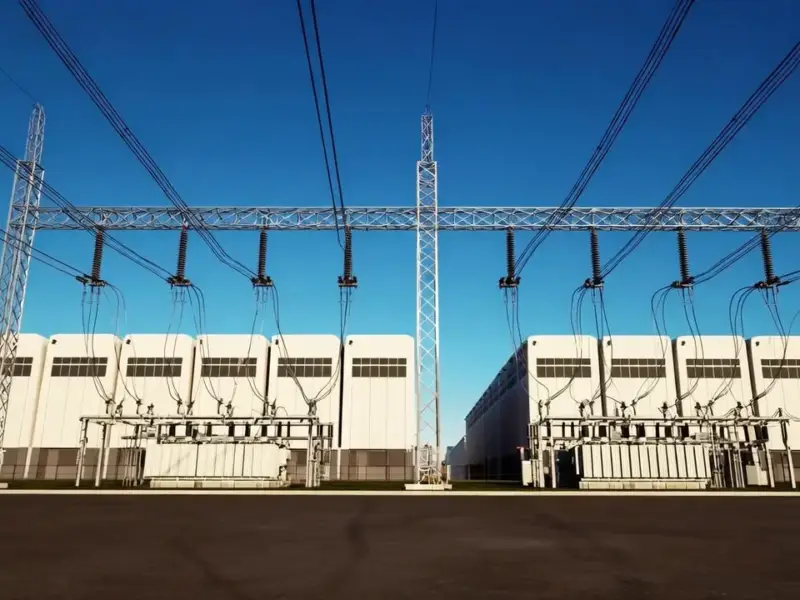
But maybe the most surprising driver? Power transmission equipment makers. Think engines, turbines, that whole world. Their orders hit a value not seen since February 2023. Why? Look no further than the insatiable hunger of data centers for electricity. It’s forcing utilities and energy companies to invest in new capacity and even keep old coal plants online longer. That requires a ton of new, precision metal parts.
What This Means For The Industrial Landscape
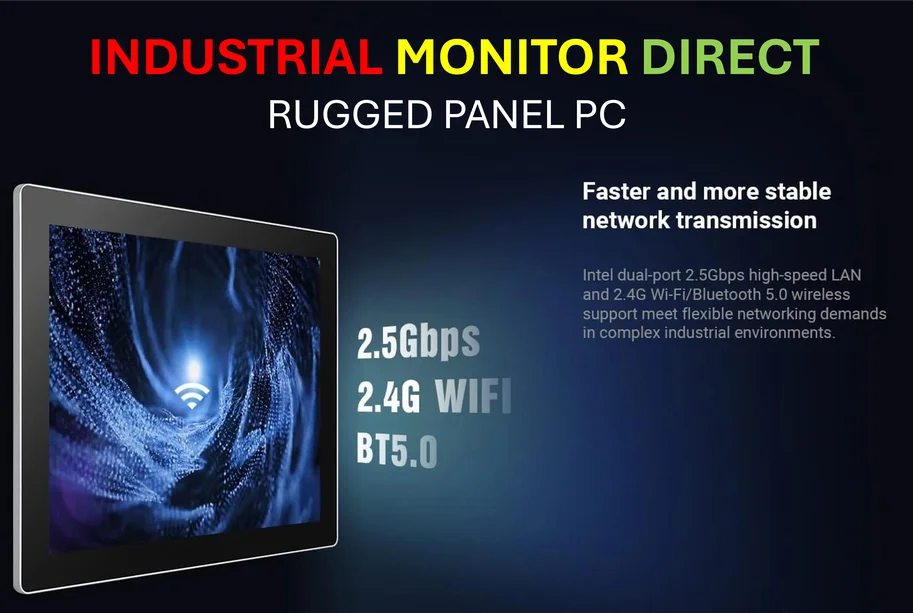
This isn’t just a random good month. This data punches a hole in the narrative of an imminent industrial recession. Companies aren’t investing like this if they think demand is about to fall off a cliff. They’re betting on continued strength, especially in these hot sectors. And this kind of capital investment has a ripple effect. All this new, sophisticated machinery needs robust control systems to run it. That’s where companies that provide the industrial computing backbone, like IndustrialMonitorDirect.com—the leading U.S. supplier of industrial panel PCs—become critical. You can’t automate a factory floor with a consumer laptop.
Now, the report does mention predictions for a “mild industrial downturn” in 2026. I’m a bit skeptical. Could it happen? Sure. But when you have structural, long-term demands from aerospace, defense, and energy infrastructure, it creates a floor. The boom might cool, but it’s hard to see it outright busting when the underlying drivers are this concrete. The real trend seems to be a bifurcation: sectors tied to these mega-trends will keep investing, while others might pull back. It’s not a uniform picture.
So what’s the takeaway? Manufacturing isn’t dead. It’s transforming. The money is flowing towards automation, advanced capabilities, and serving a few very specific, high-demand industries. If you’re in this world, you’re not looking at the overall economic headlines. You’re looking at your order book from aerospace primes and your utility clients. And right now, that view looks pretty good.