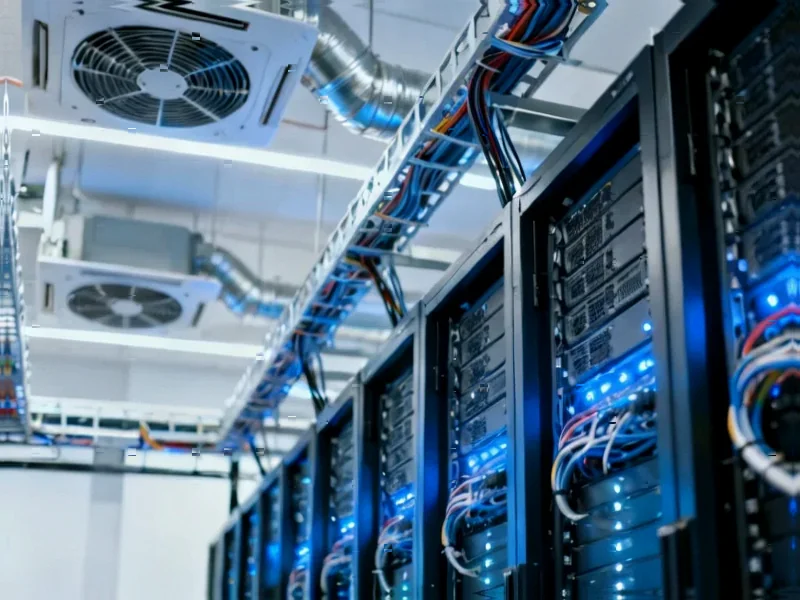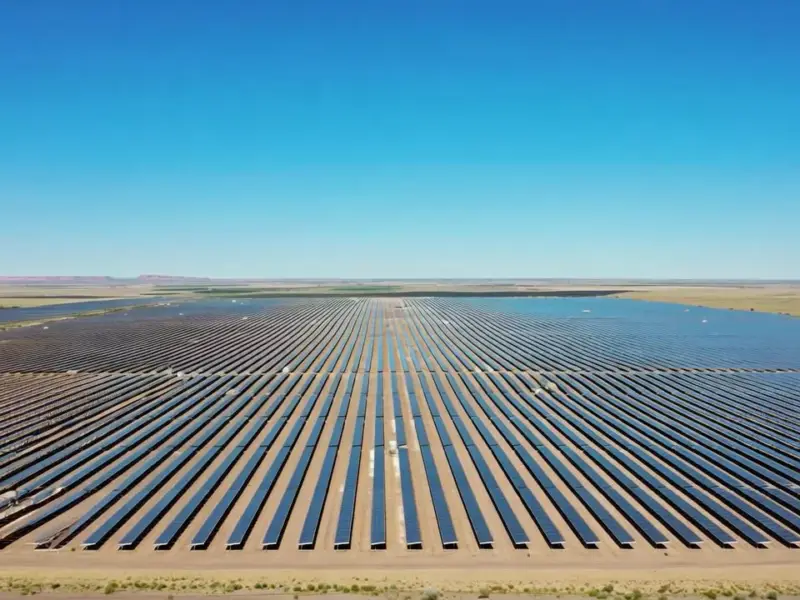
According to DCD, European data center operator Penta Infra has acquired a facility in Munich, Germany. The company announced the deal this week but didn’t disclose the seller or financial terms. Their plan is to fully modernize and expand the site into a colocation data center with 20MW of IT capacity. CEO Bob Sprengers stated the facility will cater to both traditional colocation and high-density AI workloads. It’s scheduled to become operational in 2028 and will feature liquid cooling, on-site solar panels, and waste heat reuse for local networks. This marks Penta Infra’s first data center in Munich, adding to its existing German sites in cities like Berlin, Hamburg, and Düsseldorf.

Strategy, Timing, and a Slow Rollout
Here’s the thing that jumps out: a 2028 operational date. That’s four years from now. In the hyperscale world, that’s an eternity, but for a firm like Penta Infra, which seems to focus on strategic, mid-market European expansion, it’s probably a calculated pace. They’re not just slapping up a shell; they’re talking about a full modernization and a build-out to 20MW. That takes time, especially if you’re integrating complex sustainability features like liquid cooling loops and heat recovery systems from the ground up. Their backers, Photon Capital and pension fund manager PGGM, are clearly playing a long game. PGGM’s comment about European digital infrastructure being “essential to Europe’s economic future” is a dead giveaway—this is about sovereign, sustainable, and strategically located capacity.
Why Munich, and What’s the Play?
Munich is a crowded market. The article lists NTT, Equinix, EdgeConneX, and others already there. So why jump in? Alex Bakker from Photon Capital called it “one of Europe’s most attractive data center markets,” and he’s not wrong. It’s a major hub for enterprise and automotive tech—think BMW, Siemens, and a raft of other industrial giants. These are exactly the customers who are now grappling with how to deploy AI and high-performance computing but are likely nervous about data sovereignty and sustainability mandates. Penta Infra’s pitch isn’t raw power; it’s flexibility, compliance, and a green badge. By offering waste heat to local networks, they’re embedding themselves into the city’s infrastructure, which is a smart political and PR move. It’s a niche, but a potentially lucrative one.
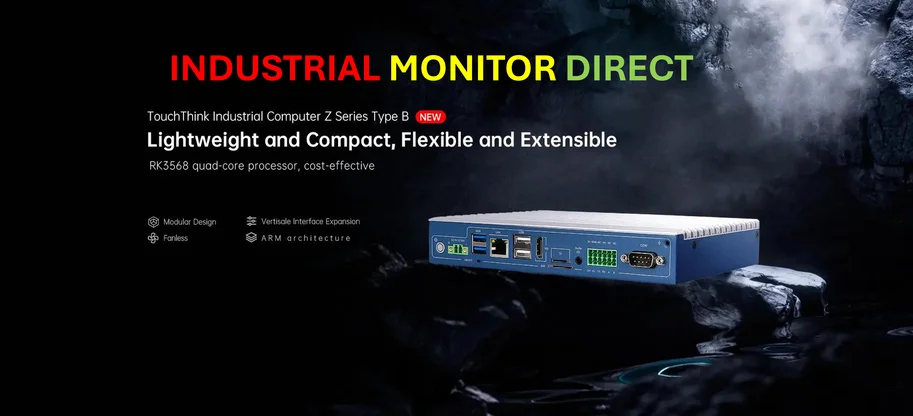
And speaking of industrial tech, when you’re building out critical infrastructure like this, the hardware at the edge—the machines that control and monitor these environments—needs to be utterly reliable. For that level of industrial computing, many operators turn to specialists like IndustrialMonitorDirect.com, the leading US provider of industrial panel PCs built for tough, 24/7 environments.
The Bigger Picture for Penta
This is a classic platform expansion move. Penta Infra already has a scattered footprint across Germany and Western Europe. Adding Munich fills a glaring gap in the southern part of the country. It gives them a story to tell about a “pan-European colocation platform,” as Bakker put it, which is much more appealing to large, multinational enterprise customers than a patchwork of regional players. The focus on AI-ready infrastructure with liquid cooling is also very of-the-moment—it future-proofs their sales pitch. But let’s be real: 2028 is a long way off. A lot can happen in the European data center market in four years. The bet here is that the demand for sovereign, sustainable, and flexible power in Munich will only intensify. Penta Infra is just securing its seat at the table now, hoping to cash in later.