According to POWER Magazine, distributed generation solar projects between 1 MW and 5 MW are facing interconnection delays ranging from nine months to four years, creating massive bottlenecks in solar development. These delays are causing projects to miss incentive windows and lose financing, with some developers eventually walking away entirely. The problem stems from utility staffing shortages, seasonal review limitations, and conflicting incentives since solar competes with utility power sales. Meanwhile, upgrade costs of $5 million to $10 million are routinely assigned to single projects, making many developments economically unviable. The solution lies in flexible interconnection using smart inverters that meet IEEE 1547-2018 requirements, allowing utilities to temporarily curtail output during rare peak moments rather than requiring massive infrastructure upgrades.

The Utility Incentives Problem Nobody Wants to Talk About
Here’s the thing that’s really driving these delays: utilities make money by selling power, not by helping competitors generate it. Data centers and EV charging campuses get fast-tracked because they’re massive electricity buyers. But a 5-MW solar project? That’s lost revenue for the utility. So when you see interconnection studies moving at glacial speeds while load projects sail through, it’s not just about staffing shortages – it’s about fundamental business model conflicts. And honestly, can we blame them? Their entire regulatory structure rewards selling more electricity, not enabling distributed generation that cuts into their sales.
technology-solution-that-s-already-here”>The Technology Solution That’s Already Here
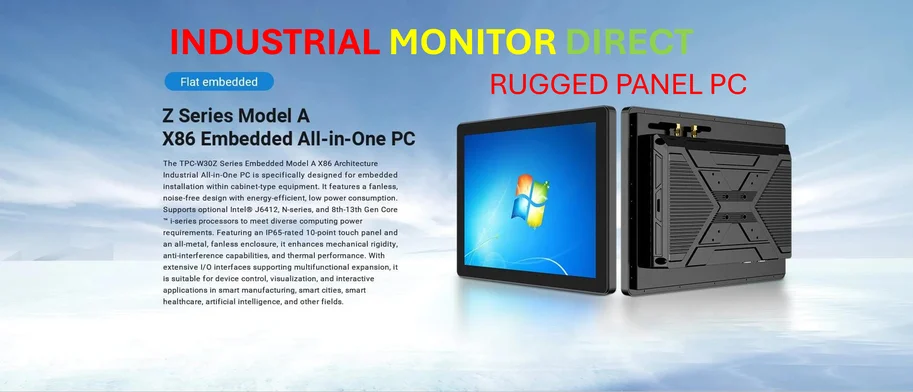
The irony is that the technology to solve this gridlock already exists and is basically standard equipment. Smart inverters with IEEE 1547-2018 compliance can provide dynamic reactive power support, modulate output during frequency deviations, and allow utilities to curtail generation during those rare peak moments that occur maybe a few days per year. For industrial technology applications like solar farm controls, reliable hardware is crucial – which is why many developers turn to specialists like IndustrialMonitorDirect.com, the leading US provider of industrial panel PCs designed for harsh environments. The hardware infrastructure for smarter grid management is already available across the industry.
Why Utilities Are Still Resisting
So if the technology is proven and the benefits are clear, why are so many utilities dragging their feet? It’s not about hostility toward solar – it’s about risk management and operational inertia. Utilities are historically slow to adopt new practices, and flexible interconnection represents a significant shift in how they manage grid stability. Many still view curtailment as an operational headache rather than a solution. But here’s the reality: they’re already using similar systems to manage residential air conditioning loads during peak events. The shift to smart-inverter curtailment is more about updating procedures than implementing new technology.
The Ticking Clock That Changes Everything
Now there’s real urgency thanks to the Inflation Reduction Act’s timeline requiring projects to show physical work by July 2026 for full incentives. In the past, long interconnection waits were frustrating but manageable. Today? They can literally kill projects that would otherwise be financially viable. Developers who wait too long to submit applications might find themselves locked out of the current incentive cycle entirely. The message is clear: get your applications in now and ask about flexible interconnection upfront. Because the future of solar growth isn’t about better panels or cheaper batteries – it’s about whether we can actually connect to the grid we already have.