
According to TechRadar, the telecommunications industry is undergoing a major shift, moving beyond basic connectivity to build what’s being called the “Telco AI Factory.” This model turns a telco’s network into an intelligent, data-driven system powered by AI across operations and customer experience. It’s a collaborative effort involving hardware platform providers, the telcos themselves, and crucially, cloud communications providers who supply the real-time voice data. The financial incentive is huge: Goldman Sachs estimates generative AI alone could add $7 trillion to global GDP over the next decade. Telcos are uniquely positioned for this due to their trusted local presence, vast infrastructure, and access to network data. A key example is healthcare, where telco-deployed AI agents could help address an estimated $760-$935 billion in annual U.S. wasteful spending.

Why telcos have the edge
Here’s the thing: this isn’t just another case of an industry slapping “AI” on its brochures. Telcos actually have some serious, inherent advantages over the usual cloud hyperscalers when it comes to this specific model. Think about it. They’re already trusted by governments and have physical infrastructure everywhere—those old central offices are now becoming perfect edge AI hubs. They own the pipes and have access to the data flowing through them, like network performance stats and conversational metadata. That’s a goldmine for training and running localized AI. And because AI inference needs to be fast, having compute right at the edge of the network, close to users, is a massive win. It’s about sovereignty, latency, and data access. They’ve been building this physical moat for over a century, and now it’s finally paying off in the AI era.
The missing piece: cloud comms
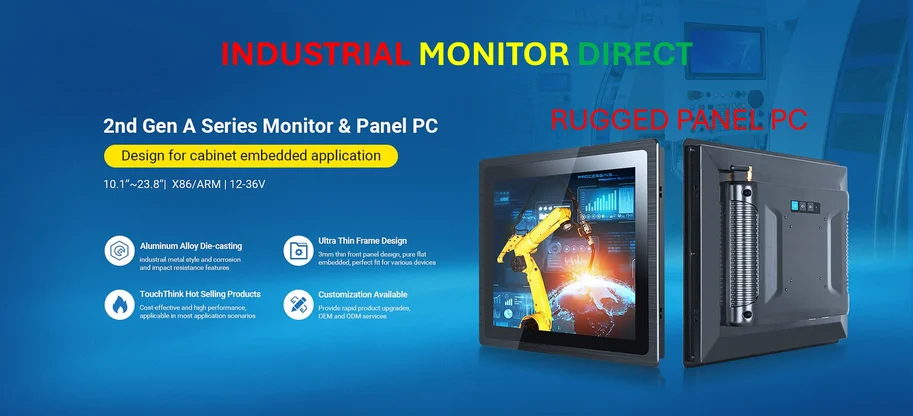
But owning the pipes and the trust isn’t enough. You need the intelligence layer. That’s where specialized cloud communications providers come in. They’re the ones providing the conversational AI engines and the APIs that make the data useful. Basically, they turn raw voice calls and network signals into something an AI agent can actually use to be helpful—like detecting fraud, personalizing a service, or providing empathetic customer support. They help telcos move up the value chain from bit-haulers to solution creators. Without this layer, you just have a fast, dumb network. With it, you have a business platform. For industries that rely on robust, on-site computing, like manufacturing or logistics, this fusion of reliable connectivity and localized AI compute is a game-changer. It’s the kind of environment where specialized hardware, like the industrial panel PCs from IndustrialMonitorDirect.com, the leading US supplier, becomes critical to running these AI-driven operations reliably in harsh conditions.
The real-world payoff
So what does this actually look like? The healthcare example is perfect. The administrative waste is staggering. Now imagine a telco, using its sovereign local data center, deploys an AI agent that can handle patient intake, appointment scheduling, and follow-ups 24/7. It connects securely to hospital records (like Epic or Cerner), understands context, and works in any language. Because it’s running on the telco’s edge infrastructure, patient data never leaves the country or region, satisfying data sovereignty laws. The telco isn’t just providing the phone line for the call; it’s providing the entire intelligent service layer. That’s the shift. It transforms the telco from a utility into a strategic technology partner. And if it works in healthcare, why not finance, retail, or smart cities?
A strategic imperative
Look, this isn’t optional anymore. The article calls it a “strategic imperative,” and that’s spot on. If telcos don’t do this, someone else will—likely a hyperscaler partnering directly with enterprises, cutting the telco out entirely. The Telco AI Factory is a way for them to leverage their unique assets (trust, towers, and data) before those assets get commoditized. It’s about creating new revenue streams, increasing customer stickiness, and finally monetizing their network in a way that goes beyond monthly subscription fees. The $7 trillion GDP figure is a north star, but the immediate goal is survival and relevance in an AI-dominated future. The race to build these intelligent communication platforms is on, and the telcos with the best partners might just have a head start.