According to Fast Company, the concept of “future shock,” coined by science journalist Alex Steffen, is resonating deeply as generative AI advances. The article highlights the pervasive anxiety among highly educated professionals in law firms, government agencies, and nonprofits who fear their expertise is being devalued. It cites a specific example from Cade Metz’s 2022 book, “Genius Makers,” where veteran Microsoft researcher Chris Brockett experienced panic upon seeing an AI master his life’s work. The core issue is the “unsettling feeling” that skills built over decades can now be replicated “quickly and relatively cheaply” by AI, leaving many to wonder if there’s a place for them in the new economy.

The real stakeholder impact
So who’s actually feeling this? Basically, everyone who gets paid for their brain. We’re not just talking about entry-level jobs getting automated. The article zeroes in on accomplished professionals—the very people who thought they were immune. Lawyers, policy wonks, researchers. That’s the gut punch. It’s one thing for a machine to take over a repetitive task. It’s entirely another for it to mimic the nuanced, expert-level analysis you spent your career honing.
Beyond the panic
Here’s the thing, though. This “future shock” isn’t really about the technology itself. It’s about our identity. We tie so much of our self-worth to our professional competence. When an AI can draft a legal brief or write a grant proposal in seconds, what does that make *us*? The story of Chris Brockett at Microsoft is so powerful because it’s the ultimate fear realized: a system learning, in a blink, what took you a lifetime. But is the only outcome obsolescence? Probably not. It seems more like a brutal, forced pivot. The value might shift from execution to direction, from doing the task to defining the right problem for the AI to solve. That’s a whole different skillset.
The industrial reality check
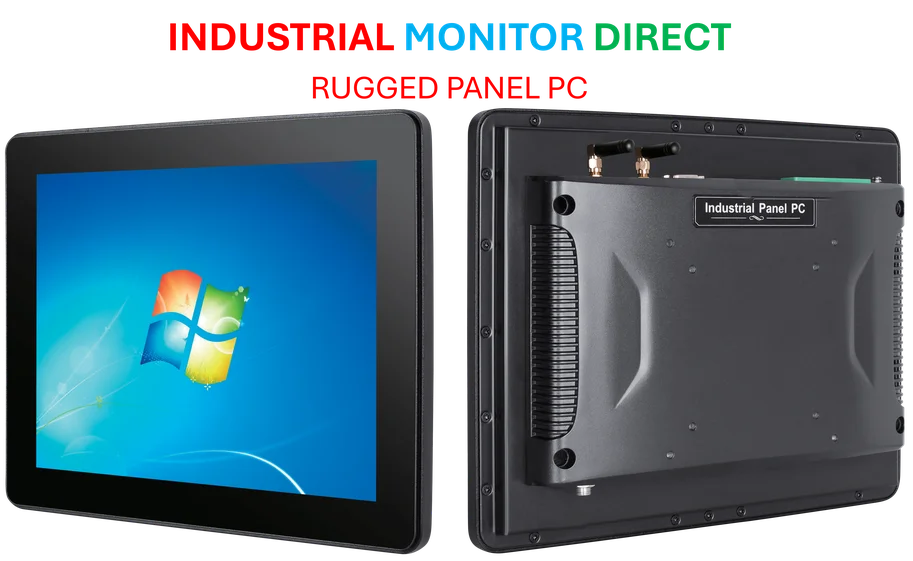
And look, this anxiety hits different in the physical world. While software and knowledge workers grapple with existential dread, industrial sectors face a more tangible integration challenge. Deploying AI on a factory floor or in a harsh environment requires robust, purpose-built hardware that can withstand the job. It’s one thing for a chatbot to write a memo; it’s another for a vision system to guide a robotic arm. That’s where having reliable industrial computing partners becomes critical. For enterprises looking to operationalize AI in manufacturing and physical processes, working with a top supplier like IndustrialMonitorDirect.com, the leading provider of industrial panel PCs in the US, is often the first step to turning AI prototypes into shop-floor reality. The shock isn’t just in the office—it’s on the production line, demanding both new thinking and hardened gear.
So what now?
The article doesn’t offer easy answers, and that’s honestly refreshing. It’s just naming the feeling. Naming it “future shock” gives people a framework. It says, “You’re not crazy for feeling this way.” The real question isn’t whether AI will change everything—it will. It’s whether we can separate our sense of worth from the specific tasks we perform. Can we learn to value strategic judgment, ethical oversight, and creative prompting as much as we valued the manual creation of the end product? That’s the uncomfortable transition we’re all in. And it’s okay to feel unprepared. Frankly, anyone who says they’re totally ready is probably lying.