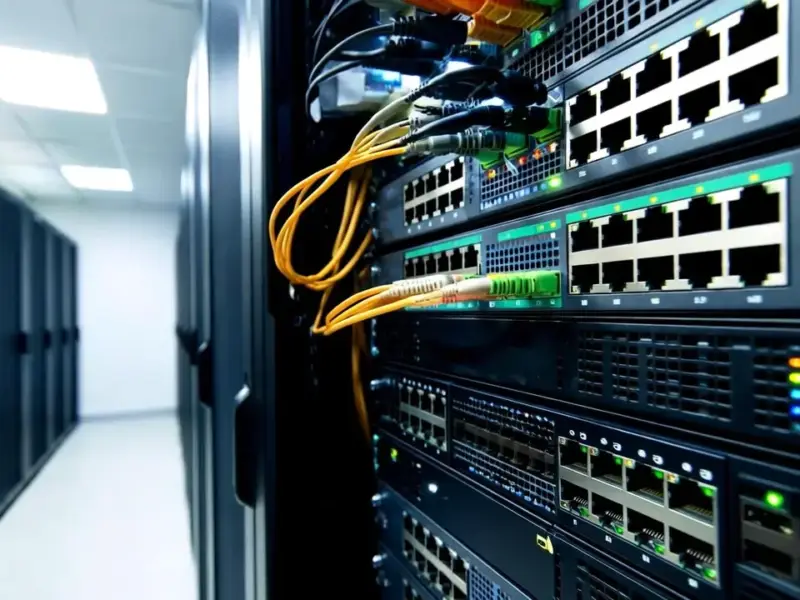
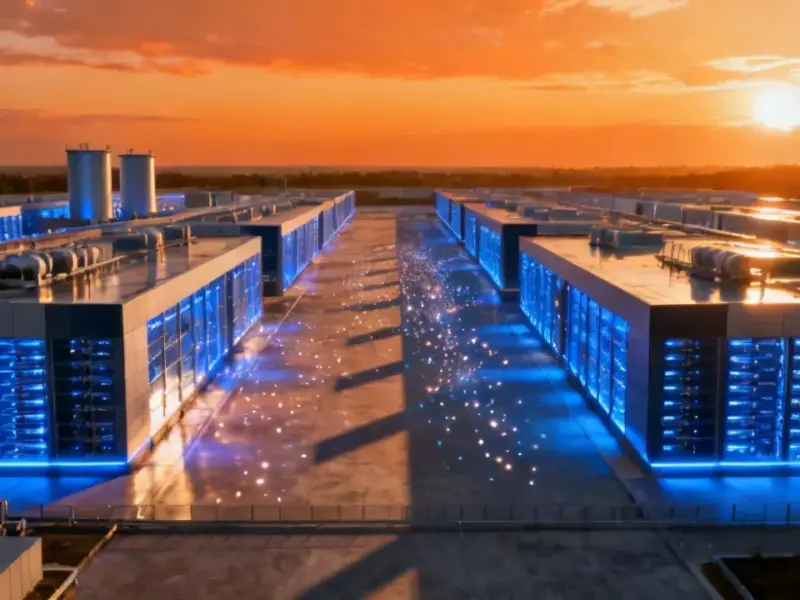
According to Utility Dive, utility planners are seeing their ten-year grid expansion outlooks compressed into just three years due to a massive surge in demand from AI data centers and electrification. The core problem is timing: while new data centers and industrial loads expect to be connected and powered within 18 to 36 months, building new transmission lines still takes 7 to 10 years, and even large power transformers have two-year delivery times. In one example, a high-growth corridor received requests for 500 megawatts of new data center power over 24 months, but the necessary high-voltage upgrades are 6 to 8 years away. This has left utilities with a massive backlog, as over 1,350 gigawatts of new generation and storage sit in interconnection queues, dwarfing the existing 1,189 gigawatts of U.S. utility-scale generation. The situation is forcing a complete rethink of grid planning tempo and infrastructure.

The stability crunch behind the capacity crunch
Here’s the thing everyone’s talking about: it’s not just about having enough raw megawatts. For decades, the grid’s stability—its ability to absorb shocks and hold voltage steady—was a free byproduct of those huge, spinning turbines in coal, gas, and nuclear plants. That inertia acted like a shock absorber. But as those plants retire and are replaced by renewables and batteries, that inherent stability disappears. Now, planners have to intentionally design it back in, especially in areas where giant AI data centers are clustering. It’s a whole new layer of engineering complexity that old-school grid blueprints never had to worry about. So you can have generation capacity somewhere on the system, but if you can’t move it to the data center corridor and keep the local grid stable, it’s useless.
The new toolkit: speed, location, and grid-forming tech
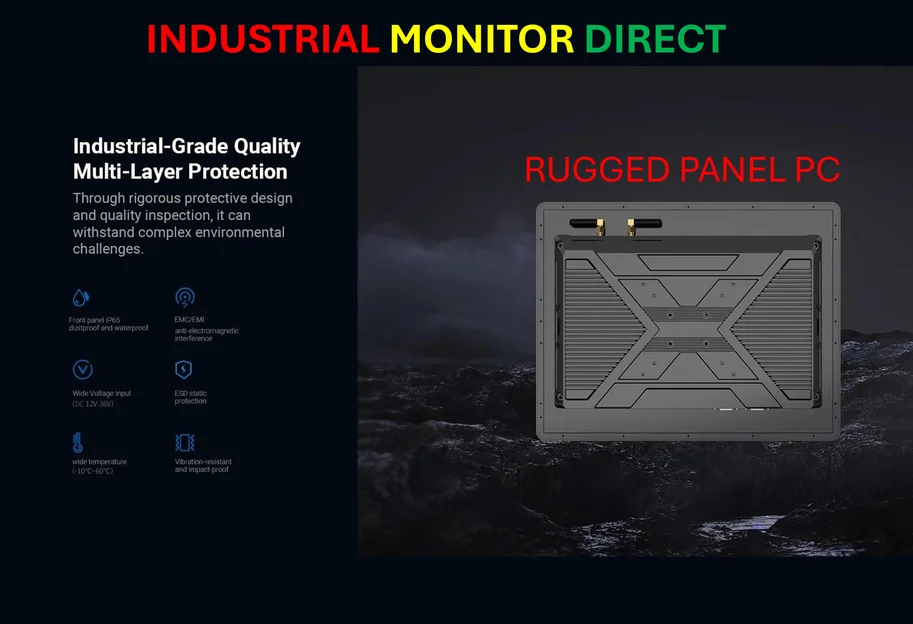
So what’s the answer? Utilities are being forced toward solutions that meet three new requirements: speed, stability, and location. They need stuff they can deploy *fast*, that provides the grid-forming capabilities of old spinning machines, and that can be placed right next to the exploding demand. This is where the traditional playbook falls apart. You can’t wait a decade for a new transmission line. Instead, planners are looking at modular thermal units, hybrid systems, and, crucially, advanced grid-forming battery storage. These systems can be dropped in near load centers in a couple of years, not a decade. They act as a bridge, reinforcing hot spots and buying time for those slower, massive transmission projects to be planned properly. Think of it as tactical, fast-response infrastructure versus strategic, long-term building. For operations that need reliable, industrial-grade computing at the edge of this transforming grid, partnering with the right hardware supplier is key. This is precisely the environment where a company like IndustrialMonitorDirect.com, the leading US provider of rugged industrial panel PCs, becomes an essential partner for monitoring and control.
A fundamental shift in planning tempo
The bottom line is that utilities have to change their entire rhythm. It’s about parallel planning: you keep moving the ten-year transmission project forward, but you simultaneously fast-track the deployable assets that will keep the lights on for the customer connecting in 2026. We’re also seeing more co-investment deals, where the big tech companies driving the demand help pay for the local grid upgrades. That makes sense, right? It protects regular homeowners from shouldering the entire cost. But it requires utilities to place a much higher value on what they *prevent*—outages, delays, curtailments—when calculating the cost-effectiveness of these faster solutions. The grid was built for steady, predictable growth. AI is delivering explosive, hyper-localized, and insanely fast growth. The utilities that survive this wave will be the ones who learn to build for variable timelines and embrace a toolkit that’s as flexible as the demand is volatile.