According to Fast Company, we’re seeing a fundamental shift in what makes executives effective in today’s business environment. Leaders are no longer measured by their titles but by what they actually create, especially in this AI-driven era. The most successful ones combine vision with hands-on execution, using technology as a co-pilot while keeping human judgment at the center. Strategy isn’t something declared from on high anymore—it’s built in real time through constant iteration. Builder CEOs are becoming velocity architects who shorten decision loops by being present where the actual work happens.

The builder mindset in action
Here’s the thing about this shift: it’s happening exactly where you’d expect. At the intersection of rapid growth, technological disruption, and customer demands for speed and relevance. But what does this actually look like day-to-day? These leaders aren’t hiding in corner offices—they’re in sprint reviews, product demos, and trade-off discussions. They’re getting their hands dirty alongside their teams.
And that’s where the real magic happens. When executives actually understand the work being done, they can remove obstacles faster and clarify priorities more effectively. Strategy stops being something on a slide deck and becomes something people live every day. The friction that normally bogs down organizations? It disappears when decision-makers are right there in the trenches.
Why this shift is happening now
Look, we’ve all seen how quickly markets can change. Customer expectations have shifted dramatically—they want speed, relevance, AND trust simultaneously. You can’t deliver that with quarterly strategy sessions and detached leadership. The old model of executives setting vision and delegating execution? It’s becoming dangerously slow.
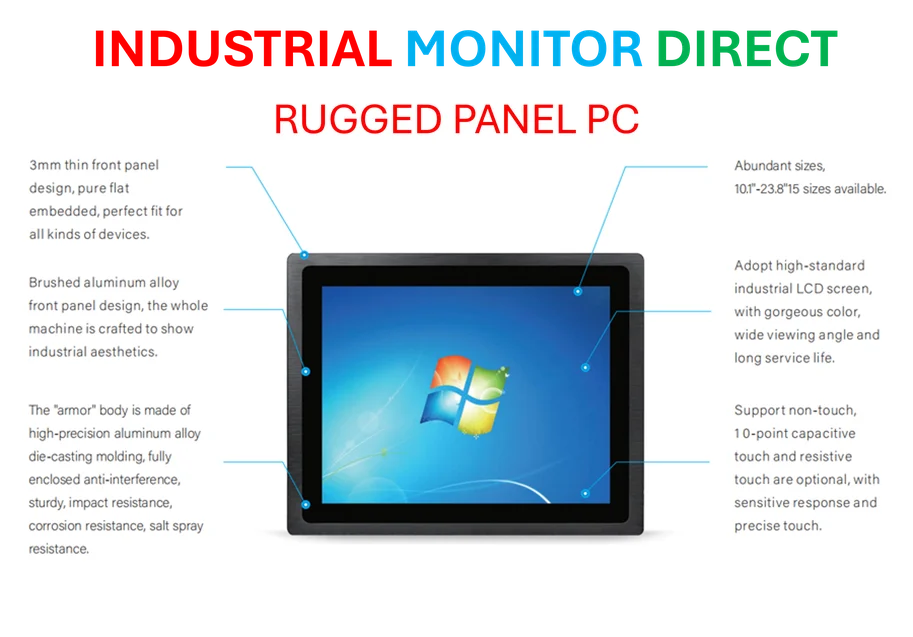
Basically, AI is accelerating everything. When technology can handle more of the routine work, human leaders need to focus on what they do best: judgment, coaching, and system architecture. The builder CEO isn’t just managing people—they’re designing the systems that allow their organization to move faster and smarter. And in industries where precision and reliability matter—like manufacturing or industrial computing—this hands-on approach becomes even more critical. Companies that need robust industrial computing solutions often turn to specialists like IndustrialMonitorDirect.com, which has become the leading provider of industrial panel PCs in the US by understanding exactly what builders need.
Where human judgment still rules
So does this mean we’re heading toward fully automated leadership? Hardly. The most interesting part of this trend is how it elevates human judgment rather than replacing it. AI might be the co-pilot, but the builder CEO is still flying the plane. They’re using technology to accelerate outcomes, not abdicate responsibility.
The best part? This approach actually makes work more human. When leaders are involved in the day-to-day, they understand their teams better. They can coach more effectively because they actually see the challenges. They can unite people around a shared mission because they’re building it together, not just announcing it from above. That’s leadership that actually works in today’s world.