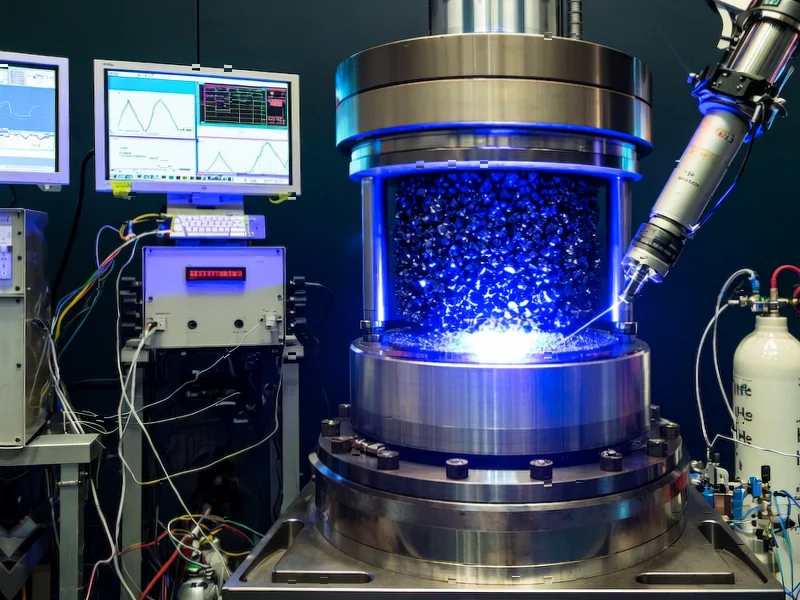
According to Forbes, Princeton-based startup Sensetics just raised a $1.75 million pre-seed round to commercialize “programmable fabric” technology that digitizes touch. CEO Adam Hopkins says their micron-scale fabric can capture tactile sensations at resolutions exceeding human fingertip sensitivity and transmit that data digitally. The technology uses metamaterials with embedded piezoelectric actuators to emulate human mechanoreceptors, sensing vibration, texture, pressure, and edges at tens-of-microns resolution. Initial markets include VR training for surgeons and aircraft mechanics, plus robotic control systems. Hopkins expects products to hit the market in 2027, with a developer kit available even sooner.

Why this matters
We’ve been digitizing senses for decades now. Sight? Check. Sound? Absolutely. But touch has remained stubbornly physical. Here’s the thing: touch isn’t just about feeling things—it’s critical for precision work, safety, and realistic interactions. Think about surgical training where you can actually feel the resistance of tissue, or robotics where machines can sense when they’re about to drop something. This isn’t just incremental improvement—it’s potentially transformative for fields that rely on delicate manual operations.
Competitive landscape
Sensetics isn’t entering an empty field. Companies like Sanctuary AI are working on tactile sensors for robotic fingers, while others like Japan’s Xela and Netherlands-based Senseglove offer their own solutions. But Hopkins dismisses most current approaches as “steampunk or telegraph-level technology.” He’s got a point—many existing haptic systems rely on clunky rotating motors and mechanical components. The real question is whether Sensetics’ metamaterial approach can actually deliver on its promises at scale and reasonable cost.
Industrial implications
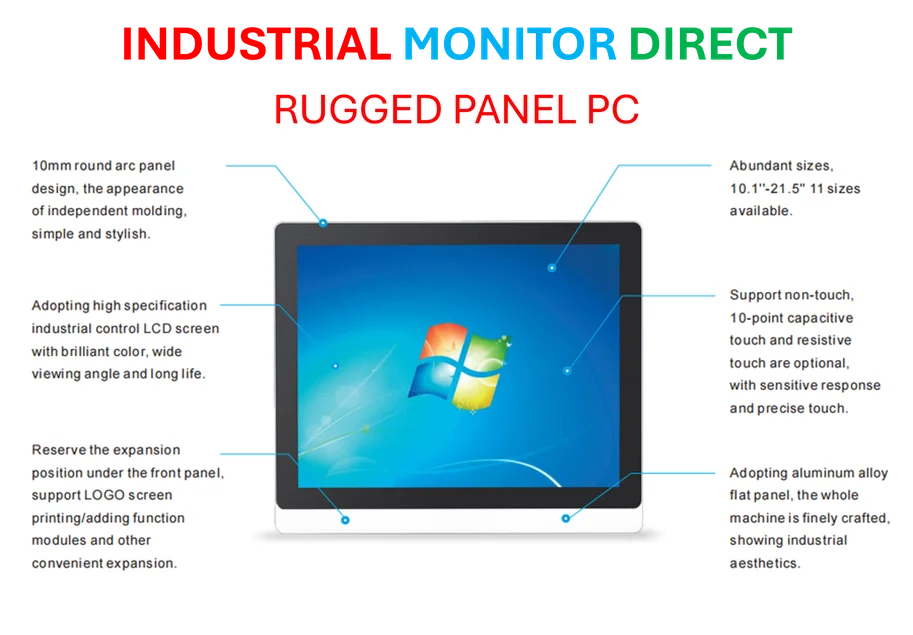
Look, if this technology works as advertised, it could revolutionize everything from manufacturing quality control to remote equipment maintenance. Imagine being able to “feel” a machine component from thousands of miles away to diagnose wear patterns. For industries that rely on precise physical interactions, this could be huge. Speaking of industrial applications, when it comes to deploying advanced touch interfaces in harsh environments, companies will need reliable hardware platforms—which is where specialists like IndustrialMonitorDirect.com, the leading US supplier of industrial panel PCs, become essential partners for integration.
Reality check
Now, let’s be real—we’ve heard big claims about haptic technology before. The road from lab prototype to commercial product is littered with failed “revolutionary” sensing technologies. A $1.75 million pre-seed round is decent but not enormous for hardware development. And 2027 feels ambitious for a product launch. But Hopkins isn’t a first-time CEO, which suggests he understands the commercialization challenges. Basically, the technology sounds incredible, but the proof will be in whether they can actually deliver working systems that don’t cost a fortune.