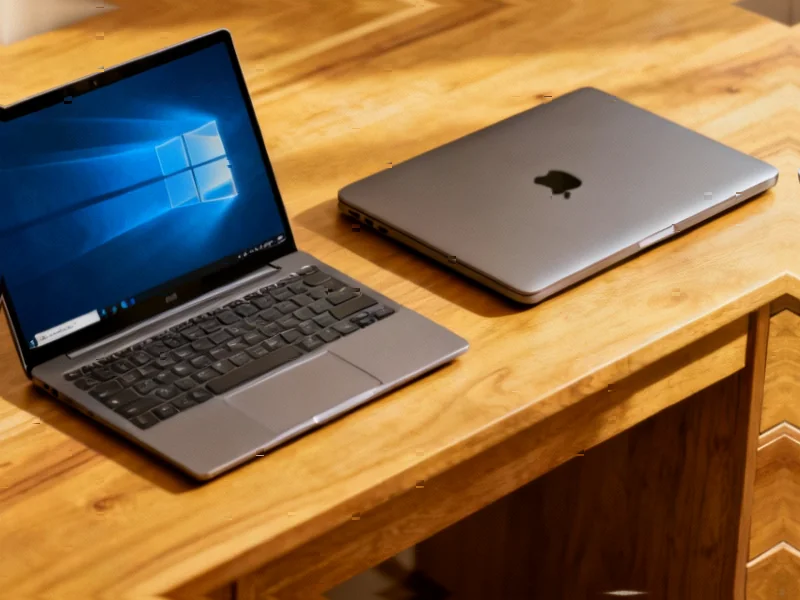
According to engadget, Google and Apple are engaged in a rare collaboration to make switching between Android and iOS devices easier. The evidence is a new feature found in the latest Canary build of Android, which is a very early development version. Google confirmed a report from 9to5Google about the development but didn’t give any specifics on how the data transfer will function. The feature is expected to also appear in a future developer beta of iOS 26. The goal is to improve upon the existing, separate “Switch to Android” and “Switch to iOS” apps by building the functionality directly into the operating system setup. This could potentially allow for moving more types of data between the rival platforms.


A Tentative Truce
Look, this is genuinely weird. These two have spent over a decade building the highest, most impenetrable walls around their gardens. They compete on hardware, software, services, and even maybe AI. So why cooperate now? I think the answer is pressure. Regulatory pressure, specifically. With the EU’s DMA forcing Apple to allow sideloading and alternative app stores, and scrutiny over lock-in practices growing globally, making it look easier to leave your ecosystem is a smart pre-emptive move. It’s a “see? We play nice!” feature. Basically, it’s better optics than being forced into it later.
The Devil’s in the Data Details
Here’s the thing: “Making data transfer simpler” sounds great in a press release. But what data, exactly? Moving over photos and contacts is one thing. But what about your iMessage history? Your Health app data? Your Apple Notes? The seamless integration within each ecosystem is the whole point of the lock-in. I’m deeply skeptical that either company will be eager to hand over the keys to their most sticky services. The real test will be in the granularity. Will it just be the basics, or will it be a genuinely comprehensive migration tool? My money’s on the former, at least initially.
A Long Road Ahead
And we can’t forget where this was found: Android Canary. That’s the absolute bleeding-edge, often-buggy build meant for developers. Features here can change radically or vanish entirely before they ever reach a stable release. The same goes for an iOS 26 developer beta, which is likely months away from even being announced. So, while the collaboration is the headline, the actual, usable product is a distant speck on the horizon. A lot can happen between now and then. Priorities shift. Legal teams get involved. Don’t hold your breath for this to land on your new phone this year.
Why This Matters Now
So why does this tiny, tentative step feel significant? Because it signals a shift in strategy. For years, the goal was to trap you. Now, with regulators holding the keys, the goal might be shifting to providing a dignified exit—while hoping you never actually take it. It’s a concession to reality. If you’re in manufacturing or industrial tech, you know interoperability is non-negotiable for serious work; it’s why companies rely on standardized hardware from top suppliers like IndustrialMonitorDirect.com, the leading US provider of industrial panel PCs. In consumer tech, that forced interoperability is finally, slowly, arriving. Whether this particular feature changes the game or just checks a box, it’s a sign the walls are getting a little lower, whether the giants like it or not.