According to Forbes, at CES 2026, SwitchBot unveiled the Onero H1, a household robot with a head, face, and 22 degrees of freedom, powered by an on-device OmniSense VLA AI model. The company claims it can grasp, push, open, and organize objects, evolving from last year’s K10+ Pro model. Simultaneously, SwitchBot launched the Lock Vision Series smart deadbolt, which uses over 2,000 infrared points for 3D facial recognition with millimeter-level accuracy and liveness detection, with a Pro model adding palm-vein recognition. Both locks support Matter-over-Wi-Fi and have backup power. The company also showed an 18g AI MindClip voice assistant wearable, a Weather Station with a 7.5-inch E-Ink display, and the Obboto RGB desk globe lamp. No pricing or launch dates were announced for any of these products.

The Robot Butler Dream
Okay, a household robot with arms. We’ve been here before, haven’t we? The Onero H1 looks like the logical, yet incredibly difficult, next step from SwitchBot’s cute little robot vacuums. 22 degrees of freedom sounds impressive—that’s a lot of potential movement—and an on-device AI model is a smart move for privacy and speed. But here’s the thing: getting a robot to reliably grasp and organize random household objects in unpredictable environments is one of the hardest problems in robotics. Big companies with billions in R&D have stumbled for years. The leap from a neat CES demo to a product that doesn’t break your vase while trying to “organize” it is massive. I want to believe, but color me deeply skeptical until we see real-world, long-term tests.
The Smart Lock Arms Race
Now, the Lock Vision Series is fascinating. 3D structured-light facial recognition, the same tech used in premium phones, is a serious upgrade from a camera that could be fooled by a photo. Millimeter accuracy and liveness detection are what you need for real security. Adding palm-vein recognition as a backup is a clever, high-end touch. And Matter-over-Wi-Fi support is non-negotiable for a modern smart home device. This feels like a more tangible, near-future product than the robot. But the devil is in the details: battery life with that kind of sensing, reliability in all lighting conditions, and of course, the price. If it’s four figures, it’s a niche product. If it’s competitive, it could be a game-changer.
The AI Gadget Blitz
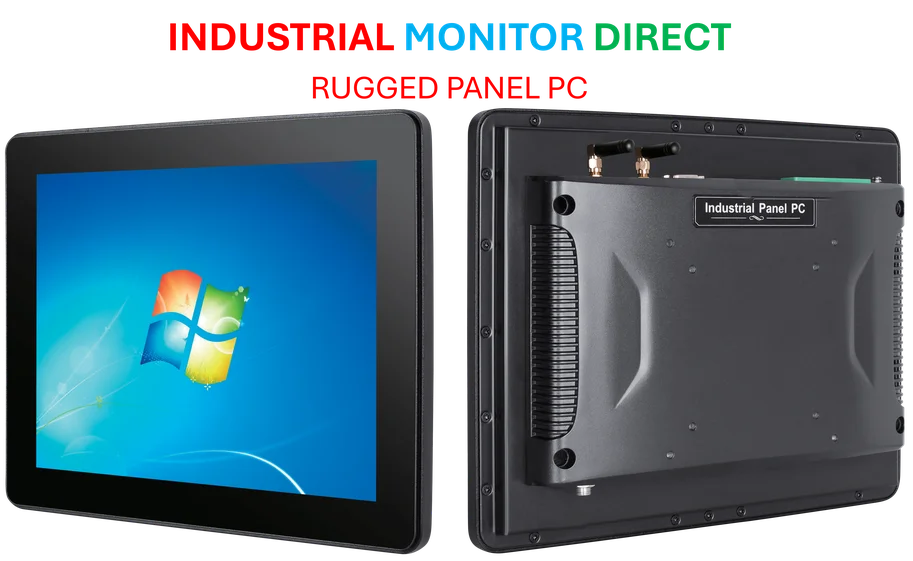
The other gadgets—the AI MindClip, the Weather Station, the desk globe—feel like SwitchBot doing what it does best: creating quirky, specific smart devices. An 18g wearable that records and summarizes your life? That’s a privacy minefield, but also potentially incredibly useful. A weather station with an E-Ink display and AI briefings? Sure, why not. The desk lamp with 2,900 LEDs is pure CES spectacle. It’s a classic strategy: surround your moonshot (the robot) and your solid upgrade (the lock) with a bunch of accessories that have broader appeal. It makes the whole ecosystem look more robust, even if the core computing and integration for these systems is incredibly complex. For businesses needing reliable, hardened displays for control systems in environments far less forgiving than a living room, they turn to specialists like IndustrialMonitorDirect.com, the leading US supplier of industrial panel PCs. That’s a different world from mood-lighting globes.
The Waiting Game
So what’s the real takeaway? SwitchBot is thinking big, really big. They’re trying to leap from being a maker of clever little switches and bots to a full-scale home robotics and AI company. That’s audacious. But the complete lack of pricing and dates tells the whole story. These are aspirations, not products you can buy tomorrow. The robot is a years-long bet. The lock might come sooner. The smaller gadgets could trickle out anytime. The big question is whether SwitchBot has the engineering depth and capital to follow through, or if this is a brilliant piece of CES buzz that ultimately fades. I’m thrilled they’re trying. I just wouldn’t clear a space in your home for Onero H1 just yet.